



Why we love Kenya
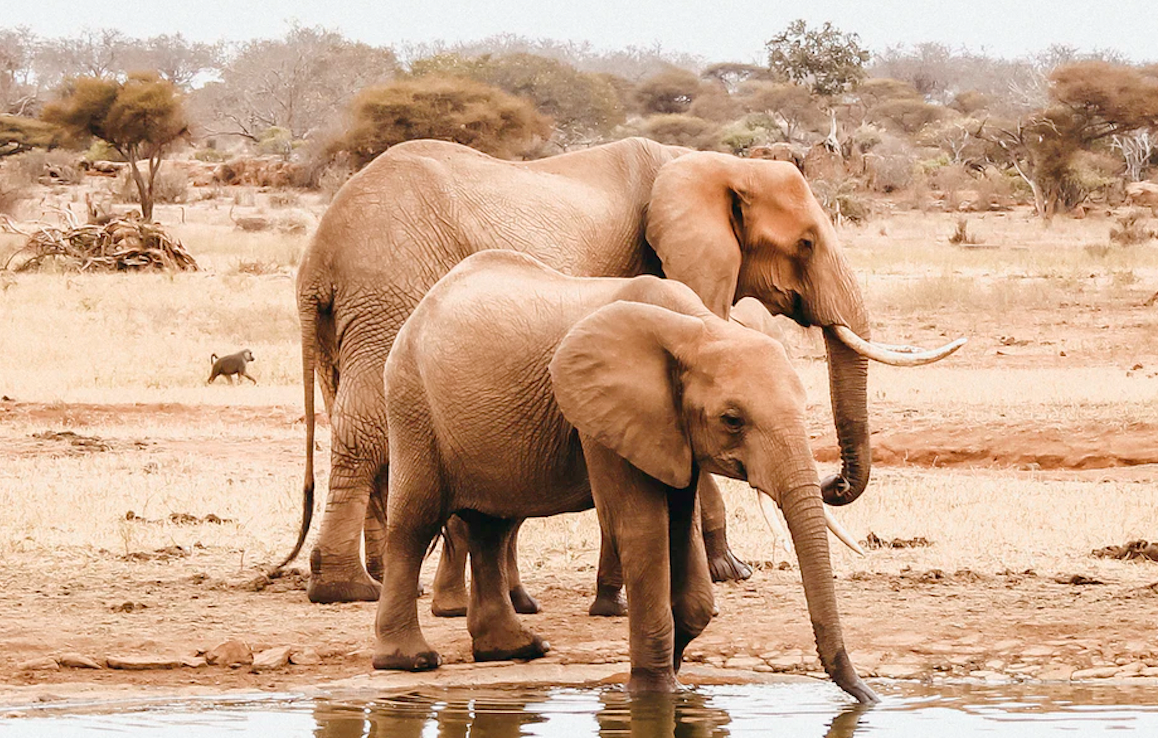
Kenya is where nemo began – and where our founder, Tom, first found his stride. He ran a camp here in his 20s, learning the country by its light, laughter and vast, unhurried horizons. From the golden sweep of the Maasai Mara to the baobab-studded coast, Kenya is a country that moves to its own rhythm – raw, generous and alive. Dawn hums with life; evenings fade to salt air and the hush of the Indian Ocean. It’s the place that shaped nemo’s way of travel – rooted in connection, curiosity and adventure. This guide shares everything you need to know before you go.
Entry Requirements
If you are a British or American passport holder visiting Kenya you will require an ETA for single entry, or a visa for multiple entry. An ETA can be easily completed via the government website. Multiple-entry visas require a slightly longer application, so do get in touch with our Operations team if you would like any assistance. Head to our Kenya ETA Guide for a detailed breakdown of the process, and some top tips on how to complete the application.
Please ensure you apply for the visa at least one month before departure. Your passport must be valid for at least 6 months at the time of travel and have at least two blank pages.
If you are travelling to another country in East Africa and returning to Kenya, you will only require a single-entry ETA. If you are just transiting in Kenya, arriving and leaving on the same flight ticket without leaving the airport, you will not be required to apply for an ETA.
Please check the Government guidance if you are entering or returning to a country other than the UK. If you are unsure about your ETA or visa, our Operations team will be happy to help.
Health and safety
We are not certified to give medical advice, but we recommend you consult your doctor about your vaccination history and discuss any further vaccinations you may need for your trip. We recommend this website for travel vaccination information and advice on bringing medication into the country.
It’s worth noting that Yellow Fever Vaccinations are mandatory when coming from a country at risk of transmission. The above link will provide you with more information.
Internal Flights
Internal flights can have multiple stops, so you may have a couple of touchdowns before reaching your destination. Some light aircraft flight schedules are announced on the day. Our local partners will let you know about this information and timings locally.
The e-tickets for your internal flights are provided to you in advance and will also be available locally. You do not need to check in for the flights in advance. Our team on the ground will meet you as you disembark and fast-track through airport security.
Baggage
Across Sub-Saharan Africa, there are specific baggage allowances for each country and sometimes even different airlines. See below for Kenya’s baggage allowances.
Airline: Safarilink
Type: Scheduled aircraft
Weight allowance: 15kg (soft-sided) – total weight including hand luggage
Dimensions: 60cm x 45cm x 30cm
Airline: Mombasa Air
Type: Scheduled aircraft
Weight allowance: 15kg (soft-sided) – total weight including hand luggage
Dimensions: 33cm x 60cm x 45cm
What is a soft-sided bag? The aircraft requires light bags as they are small planes, so you will need luggage made from flexible material e.g. not hard-sided.
Packing tips
– We strongly recommend that you carry overnight essentials and any medication in your hand luggage, particularly if connecting to an onward destination, in the event of lost luggage or delays.
– Most lodges and camps will offer laundry services with a 24-hour turnaround, but please note that, for cultural reasons, most will not launder women’s underwear.
– The use of plastic bags is now illegal in Kenya and carries a harsh penalty. Please dispose of any plastic bags you may have before boarding the plane. Liquids in bottles of up to 100ml may be taken on board, but not in a plastic bag.
– If you’re travelling on to Tanzania after Kenya, we can arrange for additional luggage to be stored at Wilson Airport.
Check out our What to Pack on Safari Guide for a comprehensive packing list.
Climate
Kenya’s climate varies depending on region, altitude, and season. Coastal areas are hot and humid, while the central highlands, including Nairobi, are cooler and more temperate. The rainy season is generally from March to May and November to December. Generally, on safari, days are warm with nights a bit cooler, so pack for a bit of everything.

Laws and customs
Here are our top tips for adhering to Kenya’s laws and customs, but please look at the government guidelines for further details.
– Always carry identification – a physical copy of your passport and visa or permit is best. Immigration officials and police may request these documents at any reasonable time.
– Be mindful of your behaviour. Loud or aggressive actions, drunkenness, foul language and disrespect – especially towards elders – are likely to cause offence.
– Kenya is religiously diverse, with significant Christian and Muslim communities. Respect local customs, traditions, laws and religions at all times. Be especially considerate during Ramadan or when visiting religious sites.
– Photography is not allowed in airports or important buildings.
– Damaging or defacing currency is illegal.
– Same-sex sexual activity remains illegal in Kenya, but LGBTQIA+ travellers are generally safe when exercising caution.
Money matters
The local currency is the Kenyan Shilling, also known as KES.
US Dollars are widely accepted by all lodges for both spending and tipping, but it is uncommon in smaller towns. We advise bringing USD, but local currency can also be withdrawn upon arrival at ATMs. Debit and credit cards (Visa/Mastercard) are also widely accepted.
Tipping
Tipping practices vary around the world, so it’s always best to check on arrival what the preferred process is. The below serves as a simple guideline to help you plan. Amounts are listed in USD, which is widely accepted and works well as a benchmark, though local currency may sometimes be preferred.
Safari guide: $20 per traveller per day (give directly at the end of your stay).
Tracker: $5–10 per traveller per day (give directly at the end of your stay).
Lodge staff: $20 per traveller per day (usually placed in communal tip box).
Restaurants: Around ten per cent of the bill.
Activities: $20 per traveller for a half day, $40 per traveller for a full day.
Transfers: $10–20 per transfer, depending on the length of the journey.
Practicalities
Plug type: Kenya uses plug types D and G. Type D has three round pins in a triangular formation, while type G has three rectangular pins. Travellers from the UK will need an adaptor.
Flights and time zone: The fastest direct flight from London to Nairobi is around 8 hours 30 minutes. Kenya operates on East Africa Time (EAT), which is GMT +3.
Languages: Swahili and English. Please find below a list of useful Swahili phrases:
Hello – Jambo / Habari
Thank you – Asante
Please – Tafadhali
Yes / No – Ndiyo / Hapana
How much is this? – Hii ni bei gani?
Excuse me / Sorry – Samahani
I need help – Tafadhali Unaweza Kusaidia
Where is the bathroom? – Choo kiko wapi?
Food and drink
Expect hearty salads, samosas and fantastic produce from the Rift Valley served by top chefs at some of our safari lodges, whilst inland regions offer stews, greens, and chapati, highlighting the local produce. On the coast, there is a unique Swahili style of cooking that combines Arabic, African and Indian cultures, producing an array of seafood dishes and coconut curries.
You cannot drink the tap water in Kenya, but bottled water is easily attainable.
Keeping connected
Most travellers use a Kenyan SIM or e‑SIM. These are available on arrival at Nairobi airport, and our partners would be happy to assist you with collecting one on arrival. The best SIM providers in Kenya are Safaricom and Airtel. Alternatively, we recommend Airlao for purchasing an e-SIM in advance.