

Why we love Zimbabwe
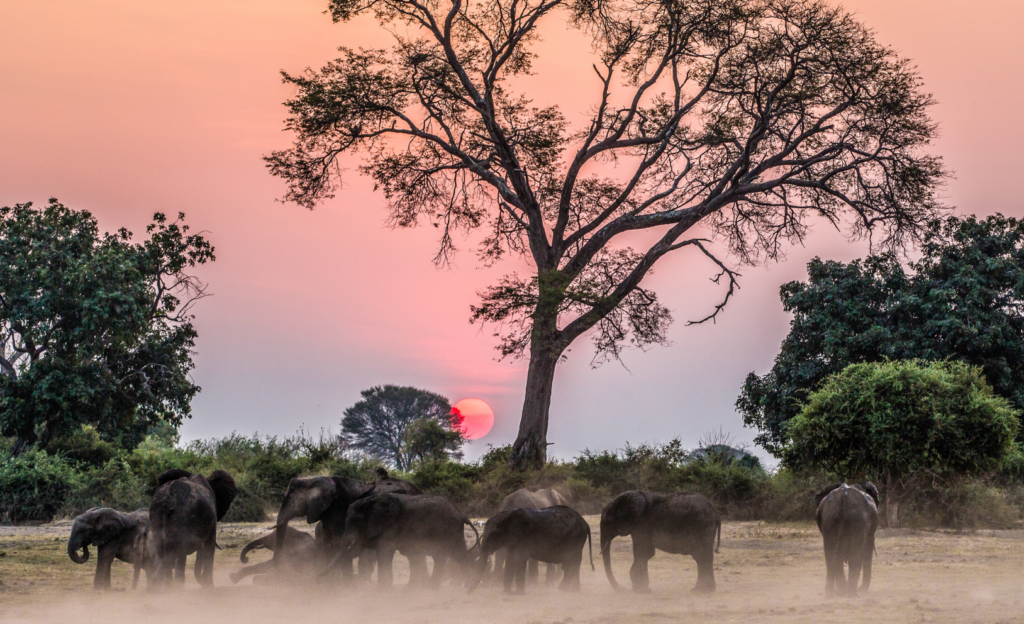
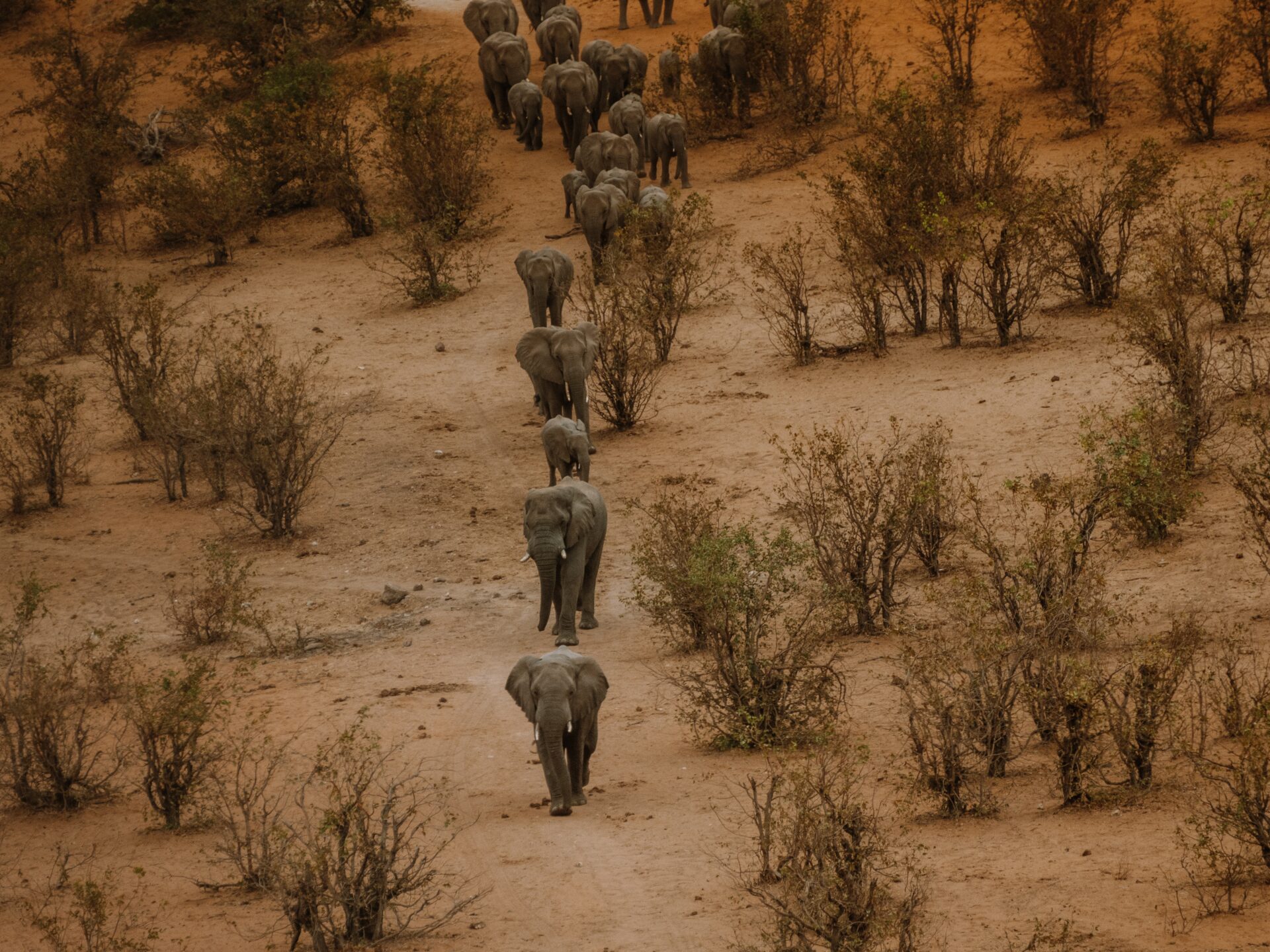
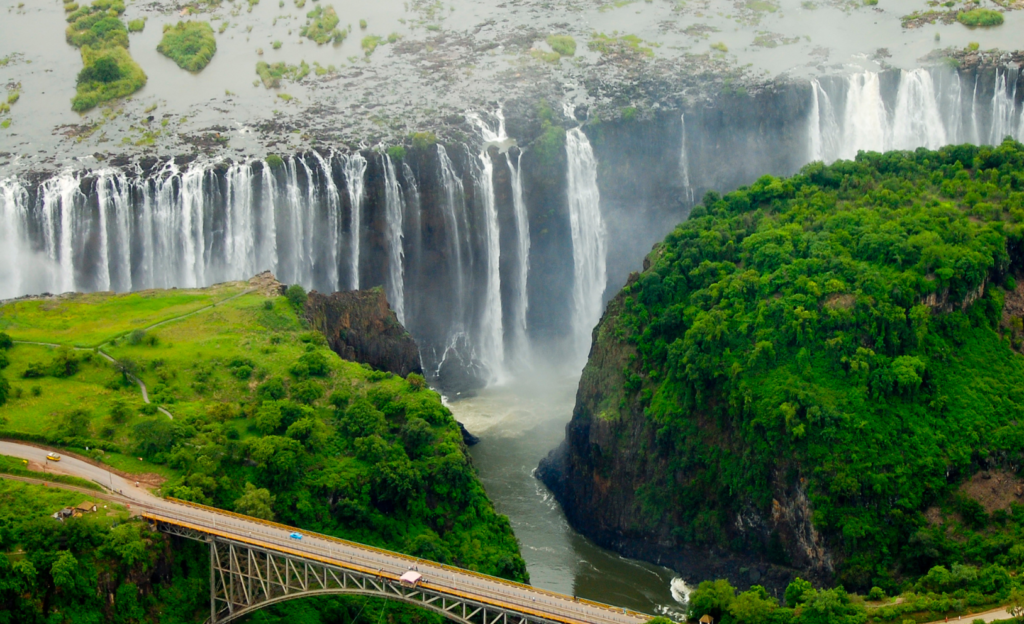
Zimbabwe moves quietly but with power. The roar of Victoria Falls carries for miles, elephants stir dust across Hwange and ancient stone cities lie scattered beneath vast skies. Dawn washes the savanna gold; night falls to the hum of insects and firelight. Beyond the wilderness, its warmth lies in the people – storytellers, guides and guardians of the land. Wild, layered and full of spirit, this guide shares everything you need to know before you go.
Entry requirements
You must have a visa to visit Zimbabwe. Most visitors apply for a visa on arrival, so take enough US dollars in small notes to pay for it. You can also apply for an e-visa before you travel via the Zimbabwe e-Visa website. It is no longer possible to obtain a visa from the Zimbabwean Embassy in London.
Visas are usually valid for 30 days, so check that your visa covers your intended stay. Your passport must be valid for at least six months from your date of arrival and have at least three blank pages in case you enter Zimbabwe and exit through a neighbouring country.
If you’re visiting both Zimbabwe and Zambia, the KAZA UniVisa allows entry into both countries for up to 30 days and includes day trips to Botswana. It’s cheaper than purchasing two separate visas and can be pre-applied for online. If you get the KAZA visa online, your first port of entry must be in Zimbabwe.
Please check the Government guidance if you are entering or returning to a different country, and get in touch with our Operations team with any questions.
Health and safety
We are not certified to give medical advice, but we recommend you consult your doctor about your vaccination history and discuss any further vaccinations you may need for your trip. We recommend this website for travel vaccination information and advice on bringing medication into the country.
Malaria risk is high throughout the year, particularly from November to June in areas below 1,200m, including the Zambezi Valley and Victoria Falls. Insect repellent and antimalarial precautions are strongly advised.
Baggage and packing tips
Across Southern Africa, baggage allowances can vary between airlines. For charter flights in Zimbabwe, the standard allowance is 20kg total (including hand luggage) in soft-sided bags.
Airline: Mack
AirType: Charter & Scheduled aircraft
Weight allowance: 20kg (soft-sided) – total weight including hand luggage
Dimensions: 30cm x 35cm x 70cm
Duffel-style bags are recommended as they are lighter and easier to stow in small aircraft.
We strongly recommend that you carry overnight essentials and any prescribed medication in your hand luggage on international flights, particularly if connecting to an onward destination.
Check out our What to Pack on Safari guide here.
Climate
Zimbabwe’s climate varies across regions, offering everything from savannas to highlands. The dry season runs from May to October, with cooler temperatures in June to August, making this the best time for wildlife viewing. The wet season runs from November to April, when the landscape transforms into a lush green paradise, though some areas may be harder to reach due to heavy rains.
Money matters
The official currency is the Zimbabwe Gold (ZiG), introduced in 2024, though the US dollar remains widely used and preferred. Most transactions, especially in lodges, hotels and restaurants, are carried out in USD cash. Credit and debit cards are accepted in major towns and hotels but not in rural areas, so carrying some cash is essential. ATMs in larger cities dispense USD.
Tipping
Tipping is customary in Zimbabwe and a thoughtful way to show appreciation for good service.
Restaurants: 10–15% of the bill (check whether service charge is already included).
Hotel staff: US$1–2 per bag for porters and per day for housekeeping.
Guides and drivers: US$5–10 per traveller per day on safari.
Bars and cafés: Round up the bill or leave small change as a gesture of thanks.
Practicalities
Plug type: Zimbabwe uses plug types D and G. Type D has three round pins in a triangular pattern, while type G has three rectangular pins in a triangular pattern.
Flights and time zones: There are no direct flights from London to Zimbabwe, but connections are available via Johannesburg, Addis Ababa or Nairobi. Zimbabwe operates on Central Africa Time (GMT+2) and does not observe daylight saving time.
Language: Zimbabwe has 16 official languages, including Shona, Sindebele (Ndebele) and English, which is used for administration and education. Shona and Sindebele are the most widely spoken. In tourist areas, English is commonly used and well understood. Useful phrases:
Hello – Mhoro (Shona) / Sawubona (Ndebele)
Thank you – Ndatenda (Shona) / Ngiyabonga (Ndebele)
Goodbye – Sara zvakanaka (Shona) / Hamba kahle (Ndebele)
Food and drink
Zimbabwean cuisine is hearty, flavourful and rooted in the land. It blends indigenous ingredients with cultural influences from across Africa.
Sadza: A maize porridge served with relishes of vegetables, meat or fish – the cornerstone of every meal.
Muriwo na nyama: A rich spinach and meat stew.
Kapenta: Small dried fish, often fried or stewed with tomatoes and onions.
Nyama: Grilled or braaied meat, often enjoyed around a fire with friends.
Biltong: Air-dried cured meat, perfect as a snack while on safari.
Keep connected
Wi-Fi is available in most hotels and lodges, though it may be slower or less reliable in remote areas. Local SIM cards can be purchased at the airport or in major towns. Econet offers the best national coverage. Alternatively, consider an eSIM like Airalo before you travel.