



Why we love Namibia
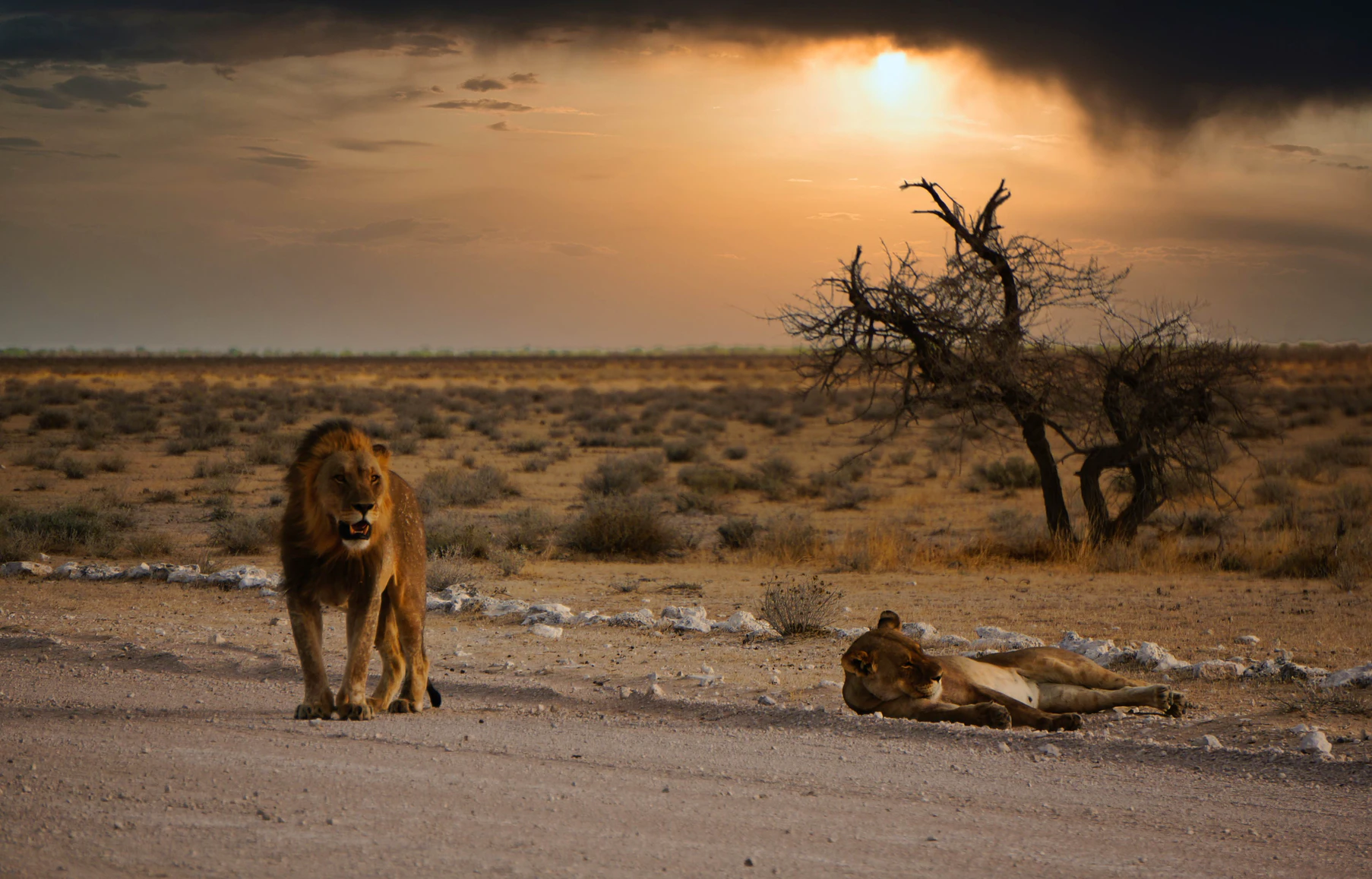
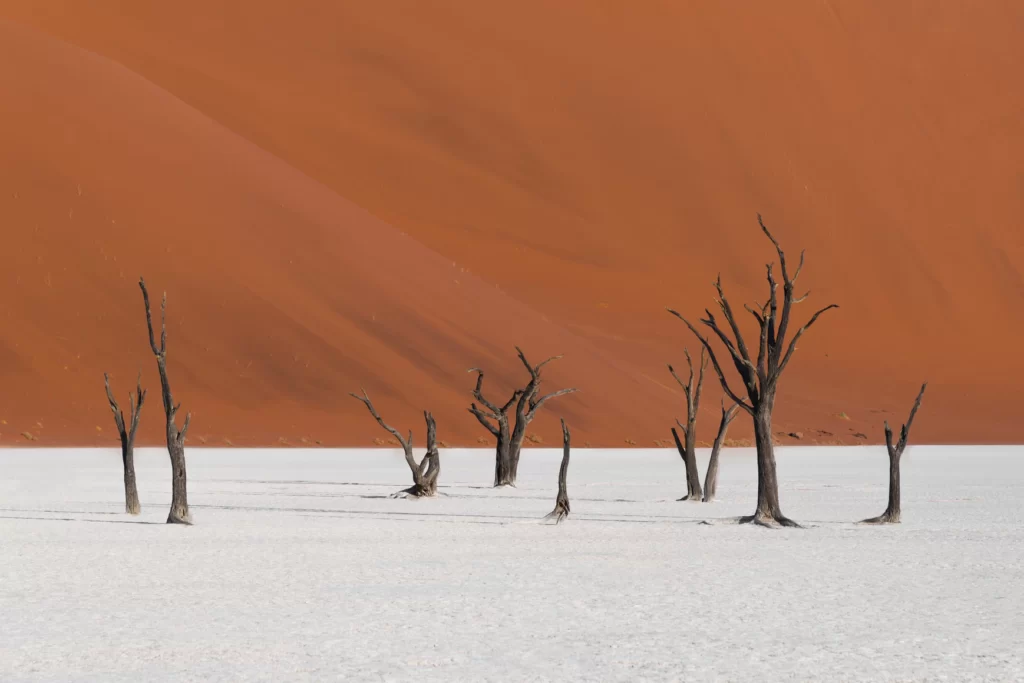
Namibia is the ultimate sub-Saharan adventure – vast, cinematic and otherworldly. Rust-red dunes rise from Sossusvlei and wind-carved valleys cut through Damaraland, where desert elephants roam and the light shifts by the hour. Whether you’re behind the wheel or flying between camps, the sense of space is endless. Firelight flickers against canvas walls and the stars feel impossibly close. This guide shares the essentials you need to know before you travel.
Entry requirements
From 1 April 2025, new visa regulations will come into effect. Travellers from the UK, USA, Canada and most European countries will need to pay for a visa to enter Namibia. While you can pay on arrival, we recommend applying and paying online in advance through the official Visa on Arrival option.
The current cost is N$ 1,600 (approximately £68) per person for a multi-entry visa valid for up to 90 days. When applying, you will be asked to upload:
– Your return flight ticket
– Proof of medical insurance valid for the duration of your stay
– A passport with at least six months’ validity
– A detailed list of your accommodations in Namibia, (our Operations team will send you this accommodation list about six to eight weeks before departure).
If you are a British or American passport holder your passport should be valid for at least six months from your date of entry into Namibia and must have at least one completely blank page for immigration stamps.
Children Travelling
Children under 18 entering or transiting through Namibia must present a certified copy of their full unabridged birth certificate (stamped no more than three months before travel) as well as a valid passport. The main details of the birth certificate must be in English. If the original document is in another language, it should be officially translated and certified.
If a child is travelling with only one parent, the other parent must provide an affidavit of consent. Adults travelling with children who are not their biological or legal guardians must carry an affidavit from the parents or guardians giving permission for travel.
Health and safety
We are not certified to give medical advice, but we recommend you consult your doctor about your vaccination history and discuss any further vaccinations you may need for your trip. We recommend this website for travel vaccination information and advice on bringing medication into the country.
It’s worth noting that Yellow Fever Vaccinations are mandatory when coming from a country at risk of transmission. The above link will provide you with more information.
Getting around
Transfers: We can arrange private transfers for you – simply share your flight details and we will plan your route and let you know the cost. For multi-stop trips, we can also arrange transfers between your hotels or lodges.
Flying: If you’re travelling by light aircraft, you may have a few stops at other airstrips before reaching your destination. These schedules are usually confirmed on the day of travel, and our local partners will keep you informed.
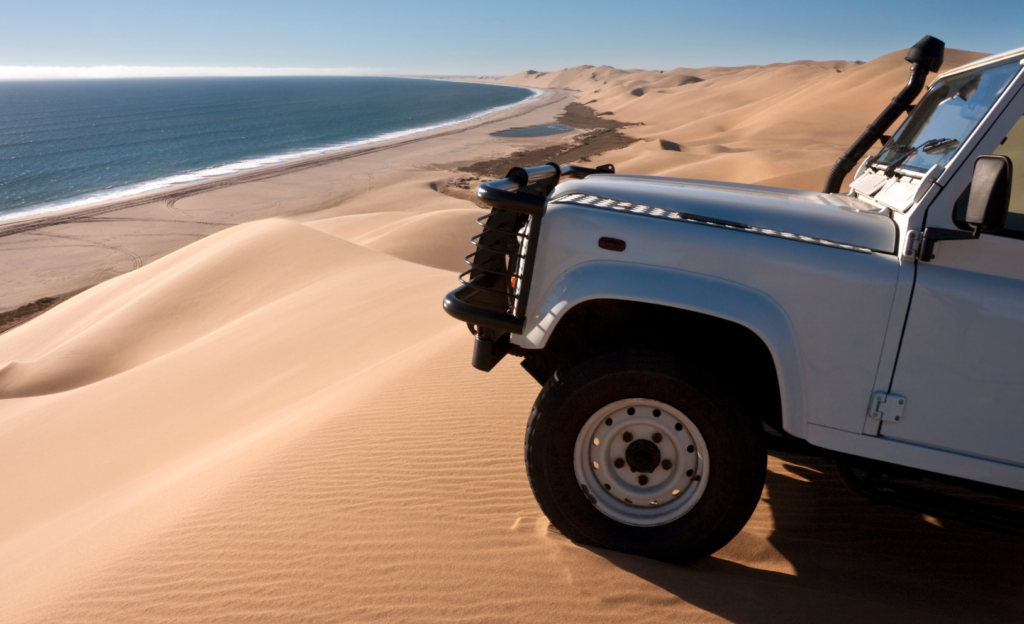
By car: Self-driving is a popular way to experience Namibia. If you plan to hire a car, make sure each driver is carrying their full driving licence at all times. Car hire companies often require a credit card for a refundable deposit. We will provide accurate directions and advice for each leg of your journey, and you can request a GPS unit in your car if needed.
Baggage
Across Sub-Saharan Africa, luggage restrictions are strict due to the use of small aircraft.
Airline: Wilderness Air
Type: Light aircraft
Weight: 20 kg including hand luggage
Dimensions: 25 cm x 30 cm x 62 cm
Bags must be soft-sided – we recommend duffel-style bags.
Packing
We strongly recommend that you carry overnight essentials and any medication in your hand luggage, particularly if connecting to an onward destination, in the event of lost luggage or delays.
Most lodges and camps offer laundry services with a 24-hour turnaround, but please note that many do not wash women’s underwear for cultural reasons.
Please see our What to Pack on Safari blog for our top packing tips for your safari adventure.
Climate
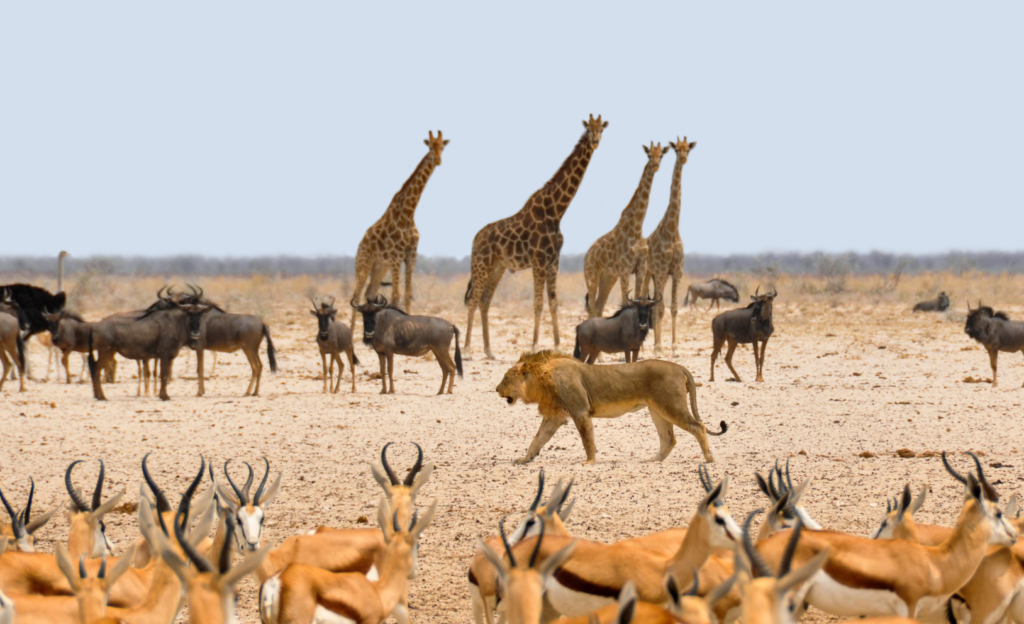
Namibia is a year-round destination, but the dry season from July to October is the best time for wildlife viewing – which also makes it peak travel season. Expect sunny days and cooler nights during this period. The wet season runs from November to April, bringing greener landscapes and occasional showers, but it’s also a quieter and more affordable time to visit.
In the desert regions like Sossusvlei, daytime temperatures can get very hot while nights can be surprisingly cool. Layers are key to staying comfortable.
Laws and customs
Here are our top tips for respecting Namibia’s laws and customs, but please check official government guidance for full details.
– Always carry valid identification documents and present them to local authorities if asked. Police checkpoints are common on major roads.
– Do not hand over your passport to anyone other than an official. If in doubt, ask to see their identification.
– Avoid photographing government buildings, airports, police or military personnel without special permission.
– Namibia is generally conservative. While resort areas are relaxed, we recommend modest dress in towns and villages.
Money matters
Namibia uses both the Namibian Dollar (NAD) and the South African Rand (ZAR), and the two are interchangeable at a 1:1 rate. Cards are widely accepted in hotels and restaurants, but it’s handy to have cash for smaller businesses, tips and roadside stalls. ATMs are easy to find in towns and cities, but bring smaller denominations for rural areas and markets.
Tipping
Tipping in Namibia is not mandatory but is fairly common practice. Here’s a simple guide to help you plan – amounts are listed in Namibian Dollars (NAD).
Safari guide: NAD 60 per traveller per day (give directly at the end of your stay).
Lodge staff: NAD 100 per traveller per day (usually placed in a communal tip box at reception and shared among the team).
Restaurants: Around ten per cent of the bill, or up to fifteen per cent for exceptional service
Car guards and petrol attendants: NAD 10 each time they assist you.
Activities: NAD 150–300 per traveller depending on the length of the activity.
Transfers: NAD 50–100 per transfer depending on the distance.
Practicalities
Plug type: Namibia uses plug types D (three round pins in a triangular shape) and M (a larger version of the same three-round-pin design).
Flights and time zone: Namibia operates on GMT +2 year-round and does not observe daylight saving time and a direct flight from London to Windhoek takes around 10 hours and 20 minutes.
Language: English is the official language in Namibia, but you’ll also hear Afrikaans widely spoken, along with German in some regions. In rural areas, indigenous languages such as Oshiwambo, Herero and Nama are commonly spoken. Most people in towns and tourist areas speak enough English to help you get by, but here are a few useful words and phrases to get you started:
Hello – Hallo (Afrikaans) / Hallo (German)
Thank you – Dankie (Afrikaans) / Danke (German)
Please – Asseblief (Afrikaans)
Yes / No – Ja / Nee (Afrikaans)
Excuse me / Sorry – Verskoon my (Afrikaans)
How much is this? – Hoeveel kos dit? (Afrikaans)
Where is the bathroom? – Waar is die badkamer? (Afrikaans)
I need help – Ek het hulp nodig (Afrikaans)
Food and drink
Namibia’s cuisine blends traditional African dishes with strong German and South African influences. Hearty meals and game meats are common, so its a treat for adventurous eaters.
Here are some iconic foods and drinks to try on your trip:
Kapana: Namibia’s famous street food – spiced beef grilled over open flames and served with fresh bread or salsa.
Biltong: A dried, seasoned meat snack similar to beef jerky, popular across southern Africa and great for on-the-go snacks during game drives.
Potjiekos: A slow-cooked stew traditionally made in a three-legged pot over an open fire, often combining meat, vegetables and aromatic spices.
Mahangu porridge: A staple dish made from pearl millet, often served alongside meats or sauces in rural areas.
Apfelstrudel and German breads: A nod to Namibia’s German colonial history, you’ll find excellent bakeries serving pastries and breads, especially in towns like Swakopmund.
Windhoek Lager: Namibia’s best-known beer, crisp and refreshing – perfect after a hot day in the desert.
Rooibos tea: Widely available, caffeine-free and loved for its earthy flavour.
Keep connected
Most travellers choose to buy a local Namibian SIM card or an e-SIM to stay connected during their trip. Local SIMs are easy to buy on arrival at Hosea Kutako International Airport or in most towns. You’ll need your passport to register the SIM. If you’d like to be online as soon as you land, we recommend purchasing an e-SIM in advance through a trusted provider like Airalo.