

Why we love Malaysia
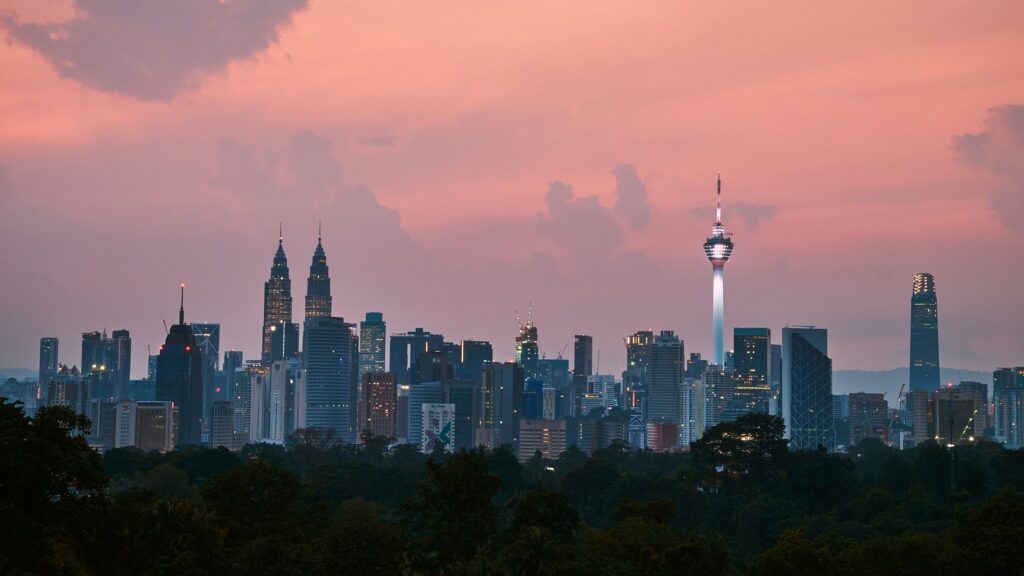
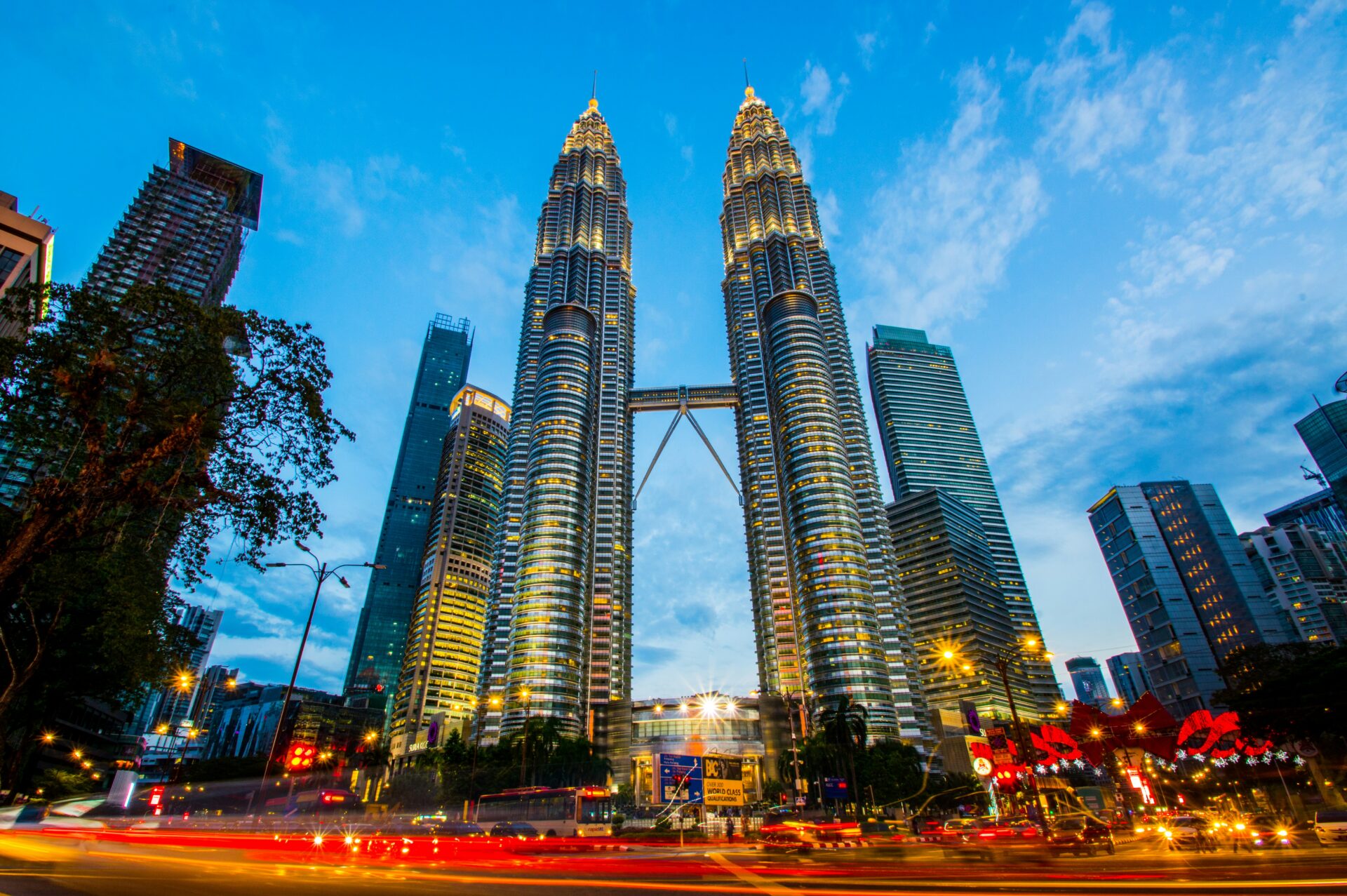
Malaysia doesn’t ask much of you, which is part of the appeal. Kuala Lumpur is easy to navigate, well-connected, and more interesting than its reputation suggests; George Town is worth the trip on its own. In a single itinerary, you can cover city, coast, and rainforest without it feeling like you’re rushing between postcards. The food is exceptional – not a footnote, a reason to come. This guide covers everything you need to know before you go.

Entry Requirements
If you are a British or American passport holder visiting Malaysia, you do not need a visa for stays of up to 90 days for tourism. Your passport must be valid for at least six months from your date of entry, and you may be asked to show proof of onward or return travel.
All travellers must complete the Malaysia Digital Arrival Card (MDAC) online within three days before arrival. This is a straightforward process, and confirmation should be kept accessible on your phone or printed.
If you are entering Malaysia from a country with a risk of Yellow Fever transmission, you may be required to show proof of vaccination. If you are travelling from a different territory or are unsure of your entry requirements, our Operations team will be happy to advise.
Health and safety
We are not certified to give medical advice, but we always recommend speaking to your doctor or a travel clinic before your trip. They will be able to review your vaccination history and advise on any additional precautions.
You can refer to Travel Health Pro for up-to-date information on recommended vaccinations and guidance on travelling with medication.
Malaysia is generally low risk for most travellers, though mosquito-borne illnesses such as dengue fever can occur. Using insect repellent and wearing light, protective clothing is advisable, particularly in jungle or rural areas.
If you are bringing prescription medication, make sure it is clearly labelled and carry a doctor’s note if necessary.
Baggage and packing
If your itinerary includes internal flights, particularly to smaller islands or more remote regions, baggage allowances may be more restrictive than on international routes.
We will always confirm your specific allowances ahead of travel, but as a guide:
– Standard domestic airlines: typically 20kg checked baggage
– Smaller aircraft routes: may have lower limits
We recommend packing light and keeping essential items, including medication and a change of clothes, in your hand luggage.
Malaysia’s climate is warm and humid year-round, so lightweight, breathable clothing works best.
We recommend:
– Loose, natural fabrics such as cotton or linen
– Comfortable walking shoes
– A light rain jacket or umbrella
– Swimwear for coastal or island stays
– Modest clothing for visiting temples or rural areas
Laundry services are widely available in hotels, often with a 24-hour turnaround.
Climate
Malaysia has a tropical climate with consistent warmth throughout the year.
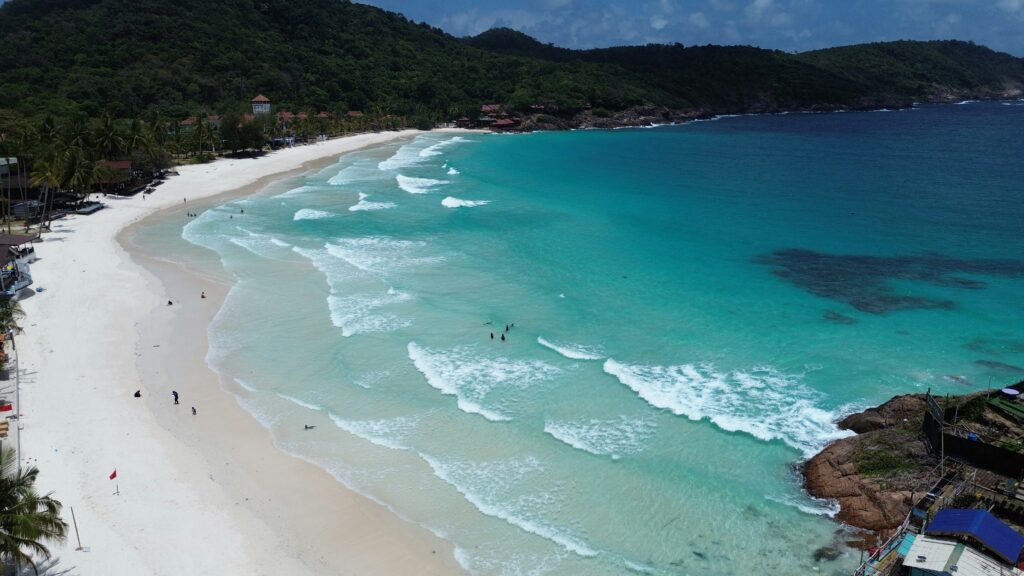
On the west coast (including Langkawi and Penang), the dry season typically runs from December to March. The east coast (including Perhentian Islands) is best visited from March to October, as monsoon rains can affect travel between November and February.
In Borneo, conditions are generally hot and humid, with occasional rainfall year-round
Laws and customs
Malaysia is a multicultural country with a mix of Malay, Chinese, and Indian influences, alongside a significant Muslim population.
– Always carry identification, such as a copy of your passport
– Dress modestly when visiting religious or cultural sites
– Remove shoes before entering homes and temples
– Public displays of affection should be kept to a minimum
– Alcohol is available but less common in more conservative areas
Respect for local customs and traditions is appreciated and expected.
Money matters
The currency in Malaysia is the Malaysian ringgit (MYR).
Credit and debit cards are widely accepted in cities, hotels, and restaurants. ATMs are easily accessible, and withdrawing local currency on arrival is straightforward.
Cash is useful for smaller purchases, particularly in markets and more rural areas.
Tipping
Tipping is not customary in Malaysia, though it is appreciated for good service.
As a guideline we recommend:
– Restaurants: A service charge is often included; if not, around 5–10% is appreciated
– Guides: MYR 20–50 per day depending on the experience
– Drivers: MYR 10–20 per journey

Practicalities
Plug type: Malaysia uses plug type G – the same as in the UK.
Flights & time zone: The average flight time from London to Kuala Lumpur is around 13 hours. Malaysia operates on GMT + 8.
Languages: Malay (Bahasa Malaysia) is the official language, though English is widely spoken.
Useful phrases:
Hello – Selamat datang
Thank you – Terima kasih
Please – Sila
Yes / No – Ya / Tidak
Excuse me / Sorry – Maaf
How much is this? – Berapa harganya?

Food and drink
Fijian cuisine is a vibrant mix of Pacific island traditions, Indian influences and tropical abundance – all built around the ocean and the land. Meals are fresh, simple and full of flavour,
Malaysian food is one of the country’s defining draws – varied, accessible, and genuinely worth planning around.
Here are a few highlights to try:
– Nasi lemak: Coconut rice served with sambal, peanuts, egg, and anchovies – often eaten for breakfast
– Laksa: A rich noodle soup with regional variations, from spicy to coconut-based
– Roti canai: Flaky flatbread served with curry, usually eaten with your hands
– Char kway teow: Stir-fried noodles with prawns, egg, and soy sauce
– Satay: Grilled skewers served with peanut sauce
– Cendol: A sweet dessert of shaved ice, coconut milk, and palm sugar
Tap water isn’t typically consumed; bottled or filtered water is widely available.
Keep connected
Most travellers use a local SIM or e-SIM. SIM cards are available at major airports and shopping centres, with providers such as Maxis, Celcom, and Digi offering good coverage.
Alternatively, you can purchase an e-SIM in advance through Airalo for immediate connectivity on arrival.