




Why we love Oman
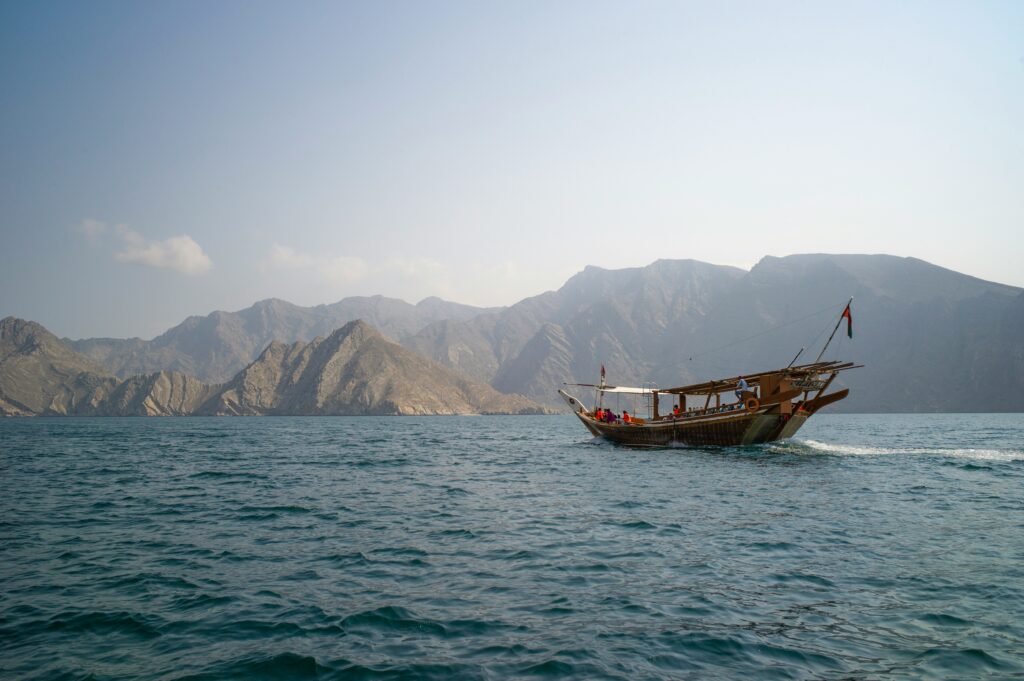
Oman earns its reputation quietly. The landscape shifts between desert, mountain and coast – sometimes within a single day’s drive – and Muscat holds it all together better than any obvious gateway city has a right to. Independent travel is straightforward, the roads are excellent and there’s none of the friction you might expect from the region. Give it a week and it tends to stick, with many visitors returning time and time again. This guide covers everything you need to know before you go.
Entry Requirements
If you are a British or American passport holder visiting Oman, you can obtain a tourist visa online via the e-visa system. Short stays (typically up to 14 days) may be visa-free under certain conditions, but requirements can change, so it’s best to check in advance.
Your passport must be valid for at least six months from your date of entry, and you may be asked to show proof of onward or return travel, as well as accommodation details.
If you are unsure which visa applies to your trip, our Operations team will be happy to advise.
Health and safety
We are not certified to give medical advice, but we always recommend speaking to your doctor or a travel clinic before your trip. They will be able to review your vaccination history and advise on any additional precautions.
You can refer to Travel Health Pro for up-to-date information on recommended vaccinations and guidance on travelling with medication.
Getting around
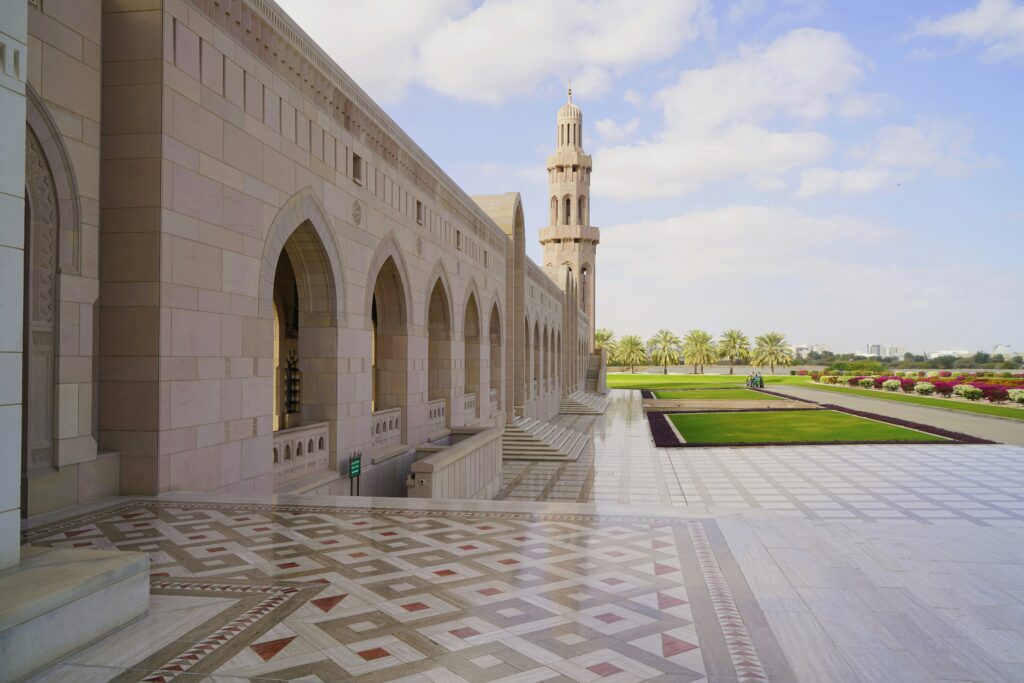
Getting around Oman is best done by car. Distances are manageable, roads are well-maintained, and driving is straightforward once you’re out of Muscat.
Private drivers can be arranged, though most itineraries are built around self-drive, particularly when heading into the mountains or desert. A 4×4 vehicle is recommended for certain routes, including wadis and dune areas.
Baggage
If your itinerary includes domestic flights or light aircraft transfers, baggage allowances may vary depending on the airline.
We will confirm your specific allowances ahead of travel, but as a guide:
– Standard domestic flights: typically 20–30kg checked baggage
We recommend keeping essential items, including medication and a change of clothes, in your hand luggage.
Packing tips
Oman’s climate is hot for much of the year, so lightweight, breathable clothing is key.
We recommend:
– Loose, natural fabrics such as cotton or linen
– Comfortable walking shoes
– A light layer for cooler evenings in the mountains
– Swimwear for hotels and wadis
– Modest clothing for public areas (shoulders and knees covered)
Laundry services are widely available in hotels.
Climate
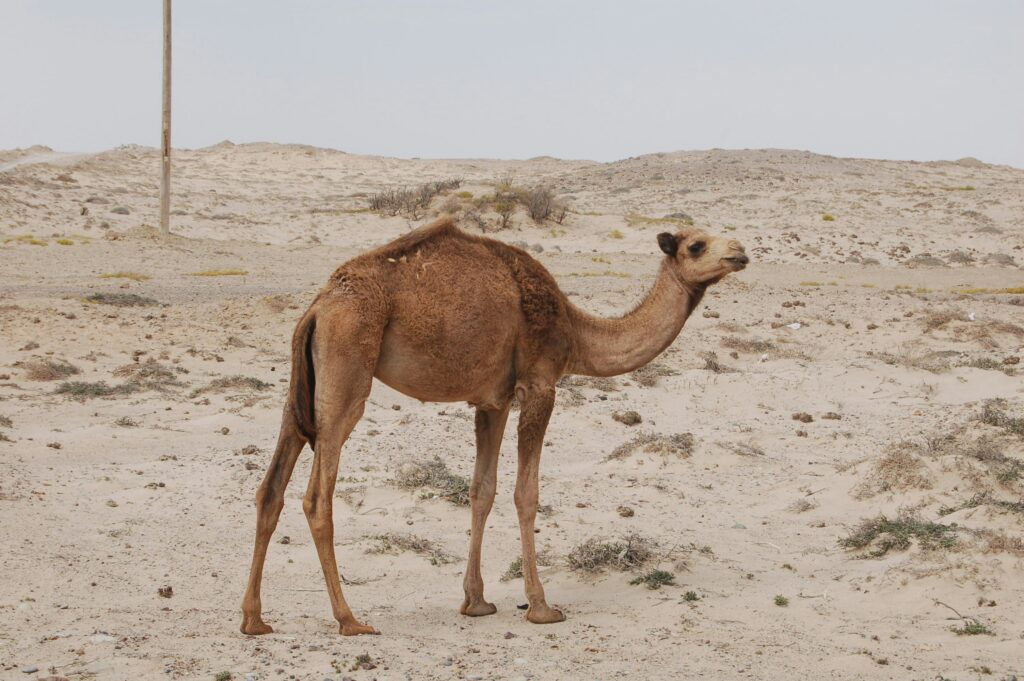
Oman has a desert climate with hot days and cooler nights, particularly outside of summer.
The best time to visit is between October and April, when temperatures are more comfortable for exploring. Summer months (May to September) can be extremely hot, especially inland, though coastal areas may feel slightly more manageable.
Laws and customs
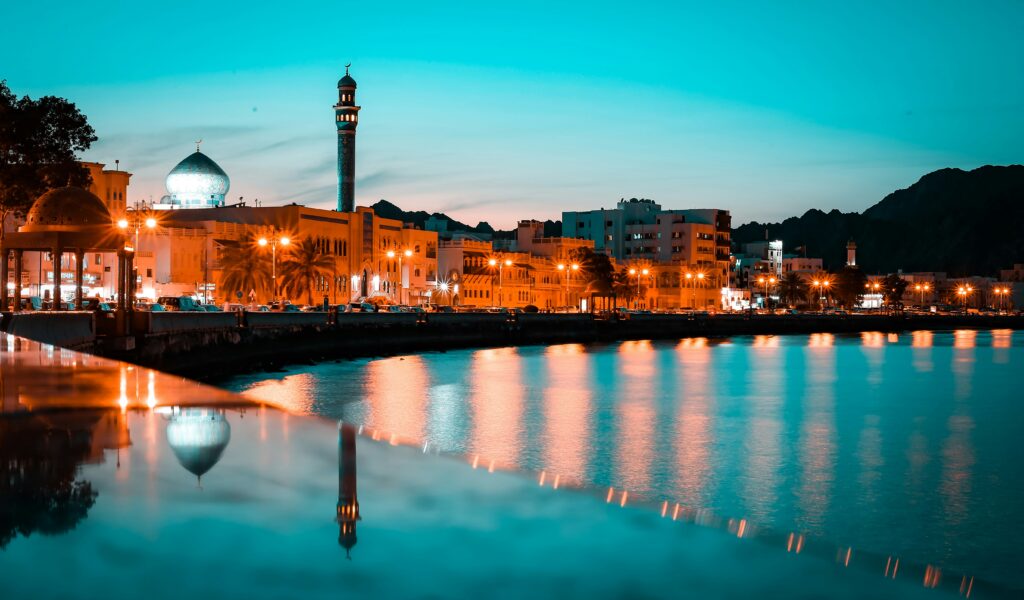
Oman is a conservative country with strong cultural traditions.
– Always carry identification, such as a copy of your passport
– Dress modestly in public (shoulders and knees covered)
– Public displays of affection should be kept minimal
– Alcohol is available in licensed venues but not in public spaces
– Respect local customs, particularly during Ramadan
Oman is known for its hospitality, and respectful behaviour is appreciated.

Money matters
The currency in Oman is the Omani rial (OMR).
Credit and debit cards are widely accepted in hotels, restaurants, and larger shops. ATMs are easily accessible.
Cash is useful for smaller purchases and in more remote areas.
Tipping
Tipping is not mandatory in Oman but is appreciated for good service.
As a guideline:
– Restaurants: Around 10% if service is not included
– Guides: $20–30 per day depending on the experience
– Drivers: $10–20 per day

Practicalities
Plug type: Oman uses plug types G and C. Type G is the same as in the UK.
Flights & time zone: The average flight time from London to Muscat is around 7–8 hours. Oman operates on GMT + 4.
Languages: Arabic is the official language, though English is widely spoken.
Useful phrases:
Hello – Marhaba
Thank you – Shukran
Please – Min fadlak
Yes / No – Na’am / La
Excuse me / Sorry – Afwan
Food and drink
Omani food is simple, well-balanced, and built around spices, rice, and slow-cooked meats.
A few highlights:
– Shuwa: Slow-cooked lamb, traditionally prepared for special occasions
– Majboos: Spiced rice with meat or fish
– Mashuai: Grilled kingfish served with rice and lemon
– Harees: A savoury dish of wheat and meat, cooked to a soft consistency
– Dates and coffee: A staple of Omani hospitality
Tap water is not typically consumed; bottled water is widely available.
Keeping connected
Most travellers rely on e-SIMs or local SIM cards. These are available at the airport and in convenience stores, with providers such as Singtel, StarHub, and M1 offering strong coverage.
Alternatively, you can purchase an e-SIM in advance through Airalo for immediate connectivity on arrival.