

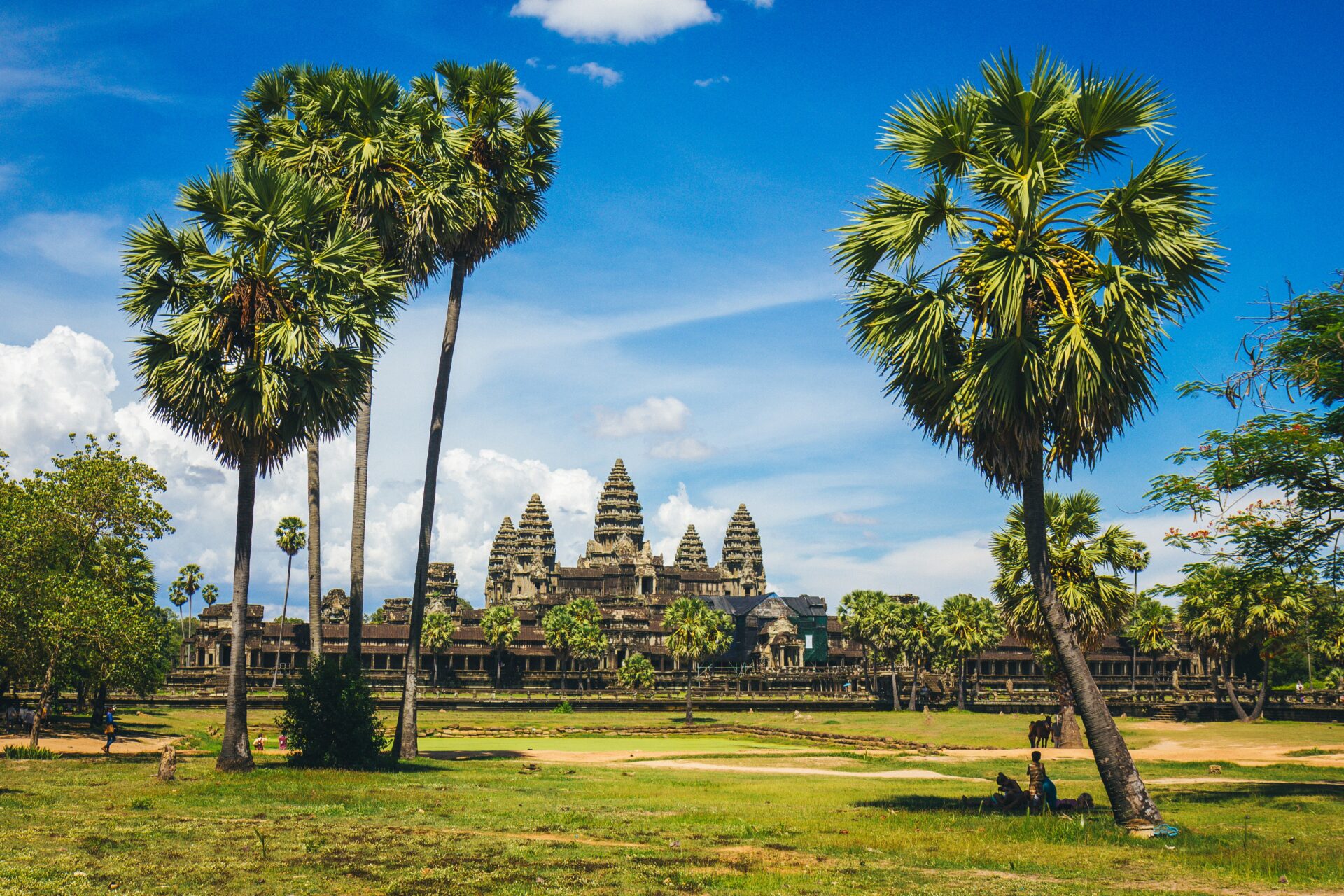


Why we love Cambodia
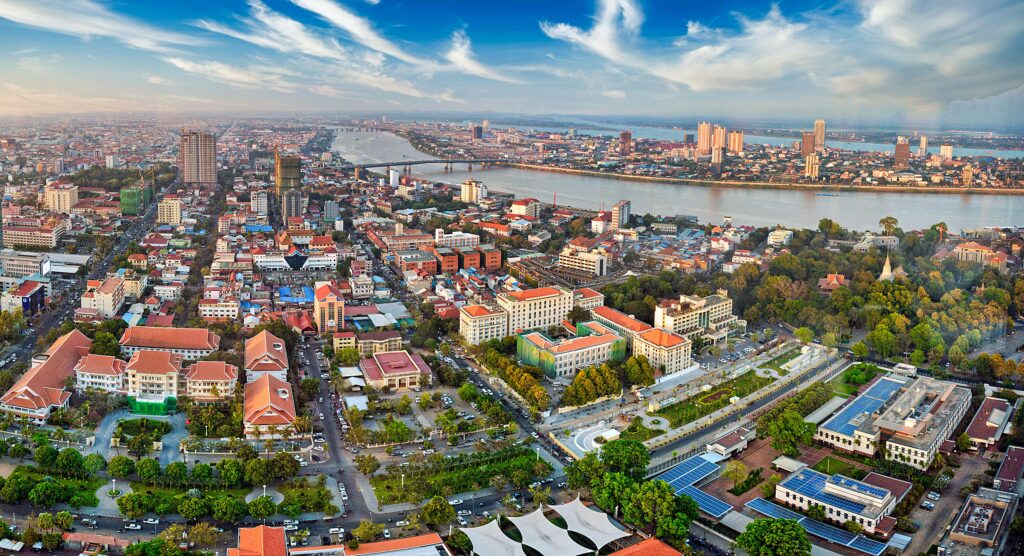
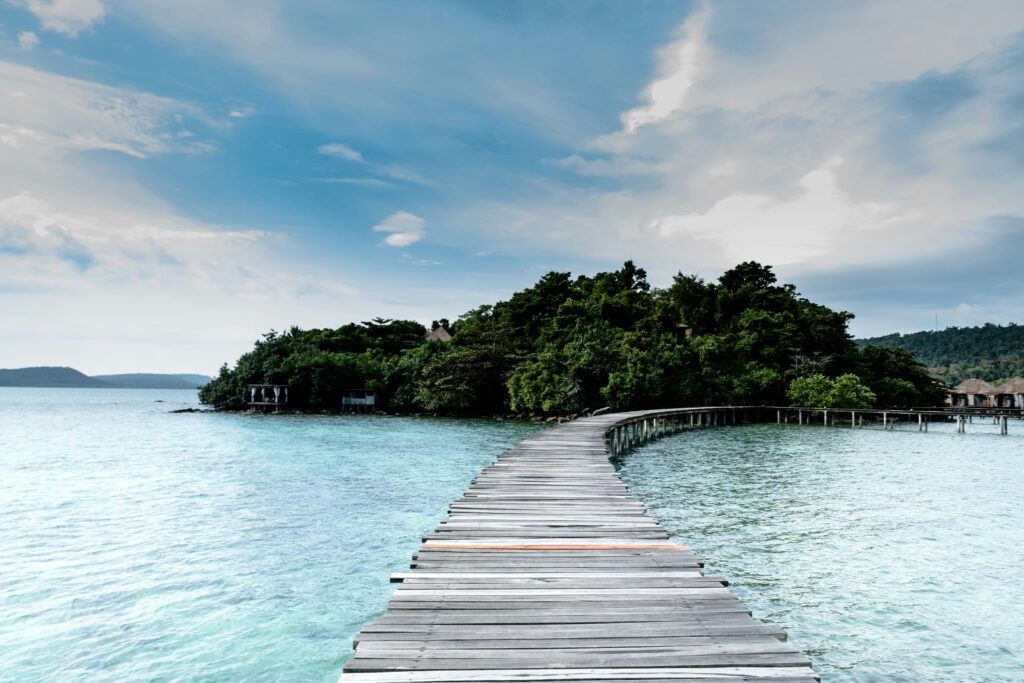
Cambodia carries more history than most countries its size, and it sits close to the surface. Angkor is the obvious draw – and it justifies every word written about it – but the country works well beyond the temples. Phnom Penh is a proper city, Siem Reap has quietly become one of the region’s better bases, and the coast offers an easy, unhurried end to any itinerary. Getting around has never been simpler. This guide covers everything you need to know before you go.
Entry Requirements
If you are a British or American passport holder visiting Cambodia, you will require a tourist visa for entry. The simplest option is the Cambodia e-visa system, which allows you to apply online in advance of travel. This must be done at least 4 days prior to your arrival.
Tourist visas are also available on arrival at major airports and border crossings. You may be asked to show proof of onward or return travel, along with accommodation details.
Your passport must be valid for at least six months from your date of entry and have at least one blank page. If you are unsure of your entry requirements, our Operations team will be happy to advise.
You will also be required to complete an e-Arrival Card. If you are entering Cambodia by air at any of the international airports in Phnom Penh, Siem Reap, or Sihanoukville, you must complete and submit the arrival card within 7 days prior to your arrival. There is no charge for this.
Health and safety
We are not certified to give medical advice, but we always recommend speaking to your doctor or a travel clinic before your trip. They will be able to review your vaccination history and advise on any additional precautions.
You can refer to Travel Health Pro for up-to-date information on recommended vaccinations and guidance on travelling with medication.
Getting around
Getting around Cambodia is relatively straightforward, though travel times can be longer than expected due to road conditions.
Private drivers are the most comfortable way to travel between destinations. Domestic flights are available between key hubs such as Phnom Penh and Siem Reap, saving time on longer journeys.
Within towns and cities, tuk-tuks are widely used and easy to arrange.
Baggage
If your itinerary includes domestic flights, baggage allowances may vary depending on the airline.
We will confirm your specific allowances ahead of travel, but as a guide:
– Domestic flights: typically 20kg checked baggage
We recommend keeping essential items, including medication and a change of clothes, in your hand luggage.
Packing tips
Cambodia is warm and humid for most of the year, so lightweight, breathable clothing is best.
We recommend:
– Loose, natural fabrics such as cotton or linen
– Comfortable walking shoes, particularly for temple visits
– A light rain jacket or umbrella
– Swimwear for coastal stays
– Modest clothing for visiting temples (shoulders and knees covered)
Laundry services are widely available in hotels.
Climate
Cambodia has a tropical climate with distinct dry and wet seasons.
The dry season (November to April) tends to bring higher temperatures and clear skies, while the wet season (May to October) sees short, heavy rain showers, often in the afternoon. Travel is still possible year-round, though conditions can vary.
Laws and customs
Cambodia is a predominantly Buddhist country with strong cultural traditions.
– Always carry identification, such as a copy of your passport
– Dress modestly when visiting temples (shoulders and knees covered)
– Remove shoes when entering religious sites
– Public displays of affection should be kept minimal
– Respect local customs and religious practices
Money matters
The official currency is the Cambodian riel (KHR), though US dollars are commonly used and accepted across the country.
ATMs are widely available in cities and towns, dispensing US dollars. Credit cards are accepted in many hotels and larger restaurants, though cash is preferred in smaller establishments.
Tipping
Tipping is not mandatory in Cambodia but is widely appreciated.
As a guideline:
– Restaurants: Around 5–10% if service is not included
– Guides: $10–20 per day depending on the experience
– Drivers: $5–10 per day
US dollars are widely used alongside the Cambodian riel.
Practicalities
Plug type: Cambodia uses plug types A, C, and G.
Flights & time zone: The average flight time from London to Cambodia (via a connection) is around 13–15 hours. Cambodia operates on GMT + 7.
Languages: Khmer is the official language; English is widely spoken in tourist areas.
Useful phrases:
Hello – Suostei
Thank you – Orkun
Please – Som
Yes / No – Ba / Te
Food and drink
Cambodian food is fresh, balanced, and often built around rice, herbs, and light spice.
A few highlights:
– Fish amok: A coconut-based curry steamed in banana leaf
– Lok lak: Stir-fried beef with lime and pepper sauce
– Nom banh chok: Rice noodles with green curry-style sauce
– Fresh spring rolls: Light and herb-filled, often served with dipping sauces
– Street food snacks: Grilled meats, noodles, and tropical fruit
Tap water is not safe to drink; bottled or filtered water is widely available.
Keeping connected
Most travellers rely on e-SIMs or local SIM cards. These are available at the airport and in convenience stores, with providers such as Singtel, StarHub, and M1 offering strong coverage.
Alternatively, you can purchase an e-SIM in advance through Airalo for immediate connectivity on arrival.