



Why we love Argentina
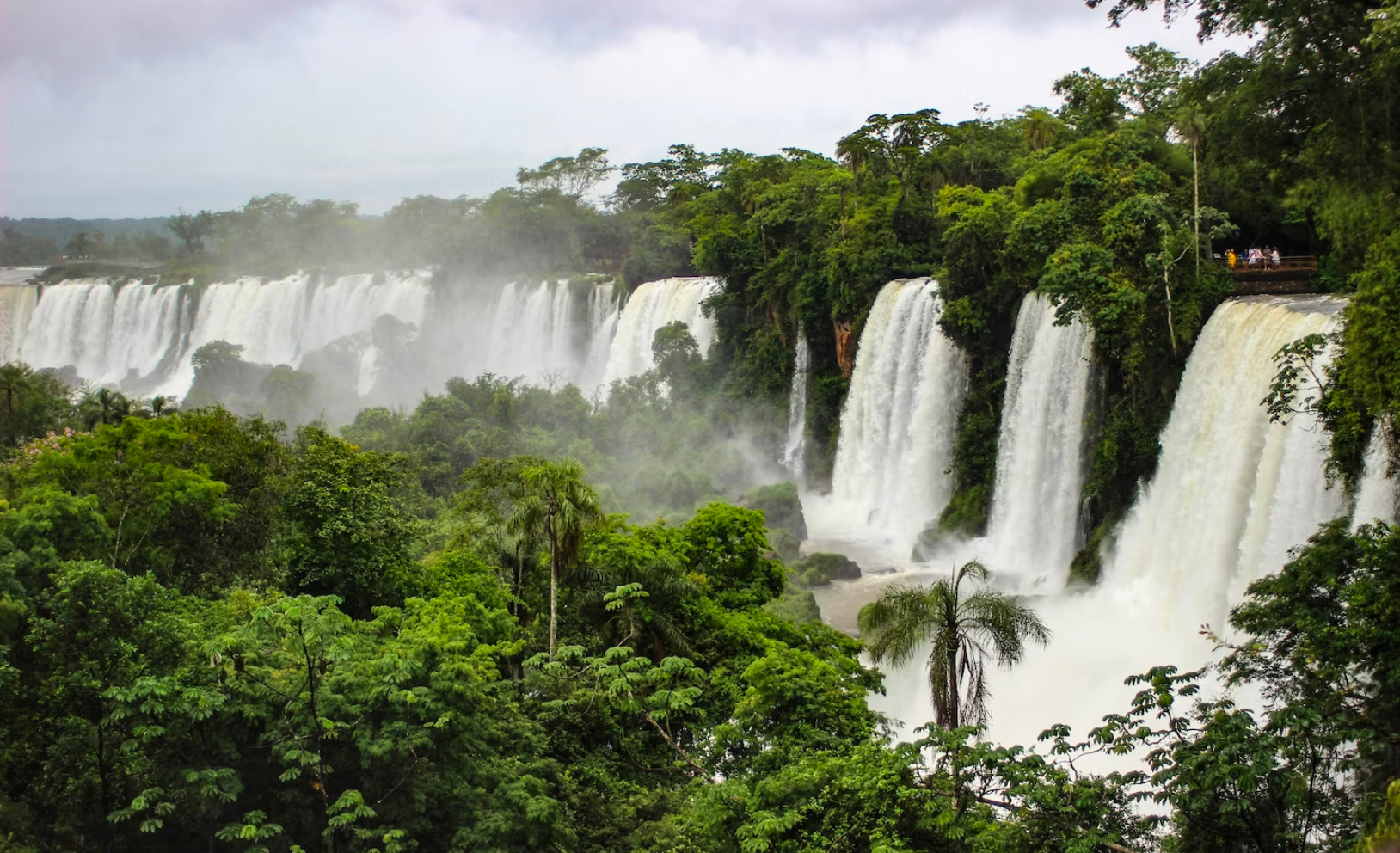
Quietly dramatic and wildly magnetic. Argentina stirs the soul from the moment you touch down. Ride with gauchos through the Patagonian plains, while away the afternoon hours among the vines of Mendoza or pick up the pace in the music-soaked streets of Buenos Aires. This guide shares the essentials you need to know before you travel.
Entry Requirements
Most visitors can enter Argentina without a visa for up to 90 days. If you plan to stay longer, you’ll need the appropriate visa in advance.
To travel, you’ll need:
– A passport valid for the duration of your stay (some airlines recommend six months’ validity)
– At least one blank page for entry and exit stamps
– Proof of valid medical insurance covering your whole stay
– Proof of onward or return travel such as a flight or cruise ticket
– Proof of accommodation, or the address where you’ll be staying
From May 2025, border officials are enforcing these checks more strictly, so keep all documents ready to show on arrival. If you’re transiting through another country on your way to or from Argentina, check that country’s entry requirements as well. If you’re unsure about paperwork or specific documents, our Operations team is here to help.
Health and safety
We are not certified to give medical advice, but we recommend you consult your doctor or a travel clinic about your vaccination history and discuss any additional vaccinations you may need for your trip to Argentina. We recommend this website for travel vaccination information and advice on bringing medication into the country.
It’s worth noting that Yellow Fever vaccinations are mandatory if you are arriving from a country at risk of transmission. The links above provide full details on these requirements. Please note, if you are over 60 years old, have any serious health conditions or a contraindication to the vaccination, you may be exempt from needing a Yellow Fever vaccination, in which case a medical letter of exemption (MLoE) should be provided, for you to bring with you on your trip.
Getting around
Domestic flights: The quickest way to cover long distances between Buenos Aires and destinations like Mendoza, Bariloche, or Ushuaia. Book early for the best fares.
Taxis: Plentiful and inexpensive in cities. Use ‘radio taxis’ with meters and pay in pesos (a small tip is appreciated). Cabify and Uber are also very cheap and reliable to use.
Public transport: Buenos Aires has an efficient underground (“Subte”), buses, and overground trains. You’ll need a SUBE card (buy at larger stations, top up at kiosks). Scan in on buses and Subte, and at both ends on overground trains.
Long-distance buses: A scenic alternative to flying, with comfortable seats and overnight routes between cities.
Private transfers: We can arrange transfers for airport pick-ups or between hotels and regions – just share your flight details.
Laws and customs
Here are our top tips for understanding Argentina’s laws and customs, but please check the official government guidance for further details.
– Always carry identification: By law, everyone must carry photo ID. Checks are rare in cities but more common on the road. A photocopy of your passport or driving licence (with a photo) is usually sufficient.
– Keep valuables safe: Leave jewellery, watches and other high-value items in your hotel room safe. In bars, cafés or restaurants, avoid hanging bags or purses on the back of chairs and keep an eye on your phone, especially on public transport when doors open or close.
– Protect your documents: Keep your passport, air tickets and most of your cash in your hotel safe. Carry only a photocopy of your passport and small change when out exploring.
– Greetings: Argentinians are warm and sociable. A single cheek-to-cheek kiss is a common greeting when meeting both men and women.
– Shops: In major cities, shops generally open from 9am to 8pm. In smaller towns and rural areas, they often close for a few hours at midday. On Saturdays, most shops open from 9 or 10am until 1pm, although many in Buenos Aires stay open in the afternoon.
– Mate: Respect the mate ritual. Sharing mate, a traditional herbal tea, is an important part of Argentine social life and is treated almost like a ceremony with its own customs. Joining in is an honour, and a lovely way to connect with locals, so follow their lead and enjoy the experience.
Climate and packing
Argentina stretches from the tropics to the edge of Antarctica, so the weather can feel like several countries in one. Here’s a simple guide of what to expect in the key regions:
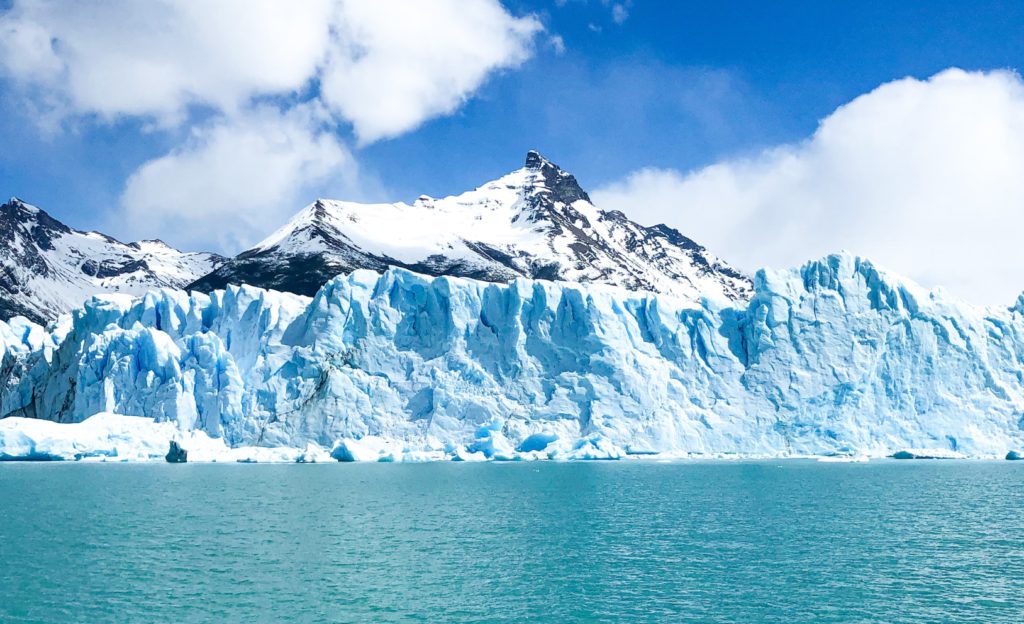
El Calafate: Down in Glacier National Park, the weather is generally cool and often wet, with no clear dry season. Spring is windy and chilly, with most rain falling between March and May. Autumn tends to be calmer and slightly drier.
Pack: Layers are key. Bring a warm jumper or fleece, rain jacket, waterproof shoes or sturdy trainers, a windproof outer layer, gloves, hat, scarf, and sunglasses to help with glare from ice and snow.
North West: Salta is known for having some of the best weather in Argentina. Set high in the subtropical north at about 1,200 metres, it enjoys four true seasons. Summer days are warm (around 26–28°C) with afternoon thunderstorms, while autumn brings cooler, drier days at about 22°C.
Pack: Casual summer attire, shorts, lightweight trousers, t-shirts (long and short sleeve), light jumper or sweatshirt for cooler evenings, rain jacket, cap, sunglasses, suncream, swimsuit, trainers, sliders or sandals, light informal evening clothes.
Bariloche: Think mountain weather – dry, sunny summers that can reach the high 20s°C, then cooler, wetter winters with regular snowfall. Most of the year temperatures range from 0–20°C. The best time to visit is between mid-November and mid-April, which also lines up with the fishing season.
Pack: In summer, pack layers – t-shirts, long sleeves, light jumpers, rain jacket, and sturdy shoes for hiking. In winter, add insulated jackets, warm socks, gloves, a hat, and waterproof boots for snow.
Patagonia/Ushuaia: The southern tip has a subpolar oceanic climate. Summer (January) averages about 10°C, while July drops to around 1°C. Days are long in summer with up to 17 hours of daylight, but in winter you’ll only get about seven hours. Expect strong Antarctic winds and dress warmly year-round.
Pack: Hiking shoes or sturdy boots, warm socks, gloves, insulated parka or down jacket, fleece or pile sweater, sweatshirt, warm evening coat or jacket, rain jacket, binoculars for wildlife spotting.
We always recommend that you carry overnight essentials and any medication in your hand luggage, particularly if you are connecting to an onward destination, in case of lost luggage or delays.
Tipping
Tipping practices vary around the world, so it’s always best to check on arrival what the preferred process is. The below serves as a simple guideline to help you plan. Amounts are listed in USD, which is widely accepted and works well as a benchmark, though local currency may sometimes be preferred.
Restaurant staff: 10–15% of the bill (usually left in cash, even if you pay by card)
Guides: $10–15 per traveller per day (give directly at the end of the excursion or tour)
Drivers: $5–10 per traveller per day (for private transfers or full-day drivers)
Hotel porters: $1–2 per bag
Housekeeping: $2–5 per night (leave in the room)
Doormen and concierge: Small tips for exceptional service, at your discretion
Money matters
The official currency is the Argentine Peso (ARS). Several designs of the same bill are in circulation, and all are valid, but counterfeit notes are common, so always check your change.
ATMs are widely available in cities and towns, but limits on international withdrawals and higher fees mean you shouldn’t rely solely on them. Check with your bank before you travel to make sure your PIN works in Argentina and ask about any daily withdrawal limits.
US dollars are not widely accepted outside major tourist areas, but it’s worth bringing some as a back-up, ideally in $100 bills. Debit and credit cards (Visa and Mastercard) are generally accepted in hotels, restaurants and larger shops, but keep some pesos on hand for taxis, tips, markets and smaller businesses.
Practicalities
Plug type: Argentina mainly uses plug types C, two round pins (the standard European-style plug), and type I, three flat pins in a triangular formation (common in Australia and parts of Asia).
Time zone: Argentina operates on a single time zone year-round, Argentina Standard Time (ART): GMT –3 and does not observe daylight saving time.
Language: The official language in Argentina is Spanish, but you’ll quickly notice it sounds a little different from the Spanish you might have heard in Spain. Argentine Spanish has its own kind of rhythm, accent and slang as a result of Italian immigration in the early 20th century.
Learning a few words of local Spanish is always appreciated. Here are a few useful phrases to get you started:
Hello – Hola
Thank you – Gracias
Please – Por favor
Yes / No – Sí / No
Excuse me / Sorry – Perdón / Disculpe
How much is this? – ¿Cuánto cuesta?
Where is the bathroom? – ¿Dónde está el baño?
I need help – Necesito ayuda
Cheers! – ¡Salud!
Cool / Great – ¡Genial!
Friend (commonly used) – Che
Food and drink
Argentinian food is rich in flavour and steeped in tradition, shaped by ancient indigenous culture, waves of European immigration – especially Italian and Spanish – and the country’s gaucho (cowboy) culture. At its heart is a love for the grill – especially beef – cooked low and slow over open flames.
Here are some iconic foods and drinks to try on your trip:
Asado: Argentina’s famous barbecue, featuring succulent cuts of beef cooked slowly over an open flame and served with chimichurri sauce.
Empanadas: Savoury pastry turnovers filled with beef, cheese or vegetables, often enjoyed as a snack or starter.
Choripán: A street-food favourite – grilled chorizo sausage in crusty bread with chimichurri, similar to a hot dog but with a distinct Argentine twist.
Mate: A traditional herbal tea, often shared among friends as part of a beloved and sacred social ritual.
Alfajores & Dulce de Leche: Sweet biscuits filled with rich dulce de leche, found in countless desserts from ice cream to pastries.
Italian-inspired dishes: Pasta and pizza feature widely, but with a unique Argentine flair.
Malbec wine: Argentina’s signature red wine, best enjoyed at the source – Mendoza’s vineyards are a must for wine enthusiasts.
Tap Water: In most major cities in Argentina, including Buenos Aires and Mendoza, tap water is treated and technically safe to drink. However, water quality can vary in rural areas.
Restaurant tip: Dinner in Argentina and especially Buenos Aires starts late. So, if you visit a restaurant at 6pm and no one is there, it’s not the food. Locals (porteños) rarely sit down before 9pm or 10pm. Some restaurants will open for dinner from 8pm, but for a true Argentinian experience plan for a later table.