New Zealand Essential Information


Why we love New Zealand
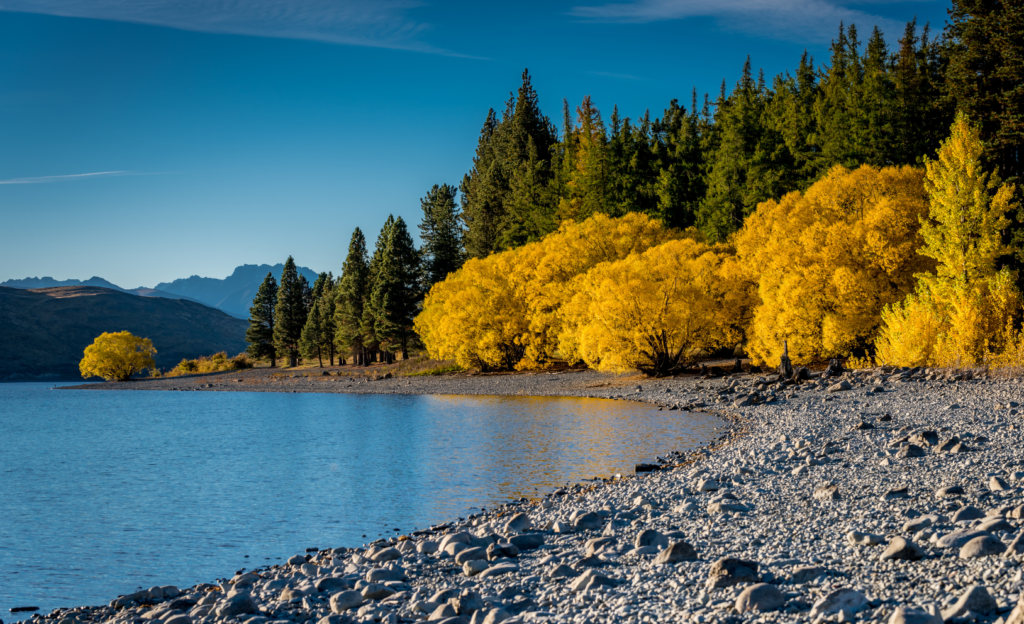
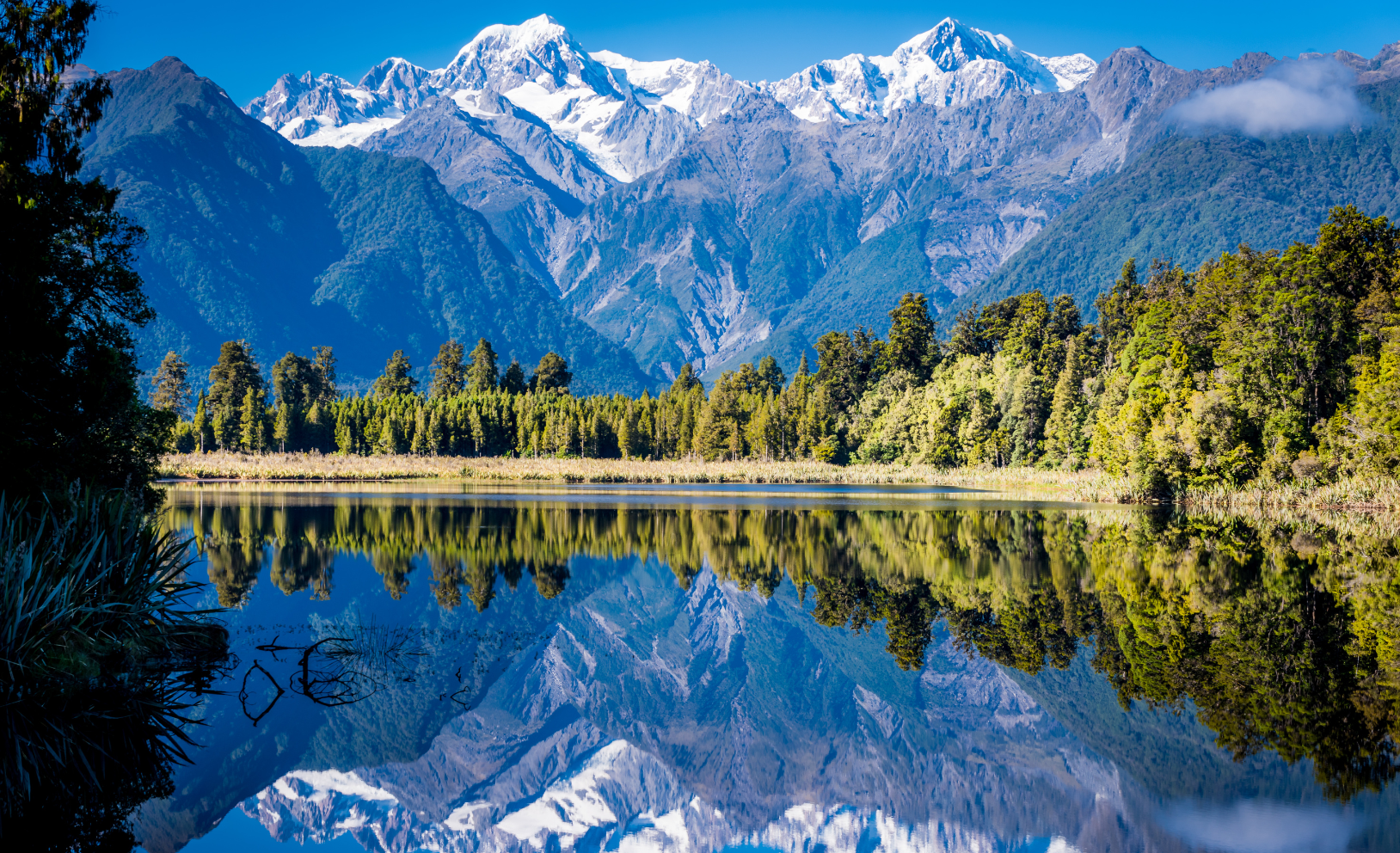
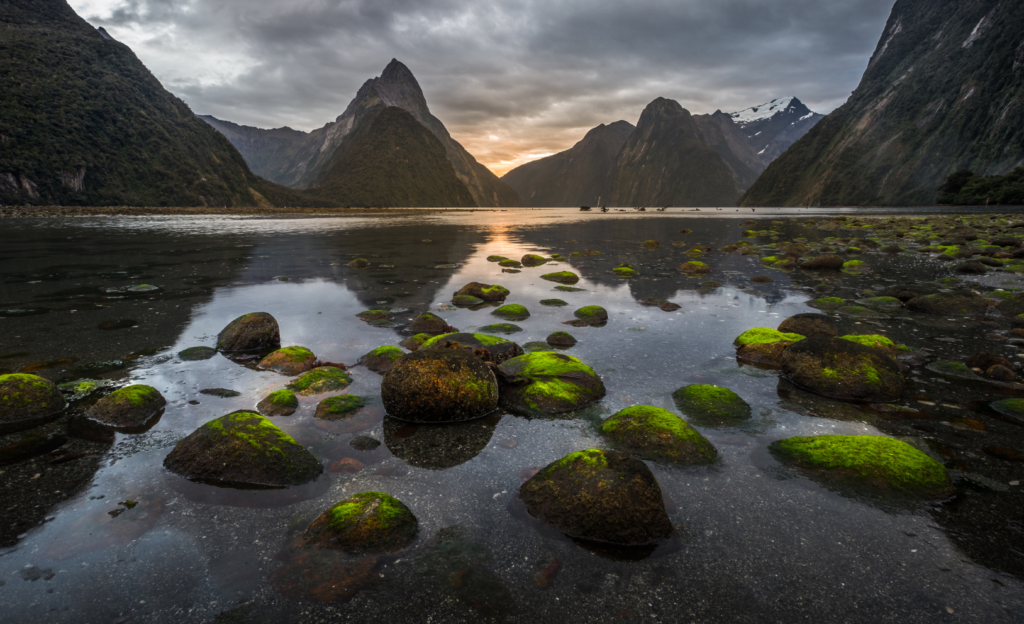
The land of the long white cloud unfolds in wild, shifting beauty. Up north, steam floats up from thermal springs, piercing blue bays shimmer between ancient forest and Māori carvers shape stories into wood. Keep heading down, where the Southern Alps tumble to the sea, fjords cast shadows onto copper-streaked rocks and you can drift from wine country to whale watching without missing a beat. This guide shares the essentials you need to know before you travel.
Entry requirements
If you are visiting New Zealand for less than six months (UK passport holders) or up to 90 days (most other visa-waiver countries), you do not need a visa. You do need a New Zealand Electronic Travel Authority (NZeTA), which can be applied for online. The application also includes the International Visitor Conservation and Tourism Levy (more information below). Please allow up to 72 hours for processing.
All travellers must also complete a New Zealand Traveller Declaration (NZTD) before arrival. This can be done online within 24 hours of landing, or on paper aboard your flight.
At border control you will need to show:
– proof of a return or onward ticket
– proof of sufficient funds for your stay
Your passport must be valid for at least three months beyond your planned departure from New Zealand. If you are transiting another country, check their rules too – some require six months’ validity.
New Zealand has very strict biosecurity laws, so declare any food, plants or outdoor equipment on arrival to avoid fines.
If you are unsure about the process or your eligibility, our Operations team can guide you through each step.
The International Visitor Conservation and Tourism Levy (IVL) is a fee most non-New Zealand citizens pay when visiting the country. The fee is NZD $100 and is typically incorporated within the cost of the ETA application.
Health and safety
We are not certified to give medical advice, so we recommend you speak with your doctor or a travel health clinic about your vaccination history and any further vaccinations you might need for New Zealand. We recommend this website for travel vaccination information and advice on bringing medication into the country.
Getting around
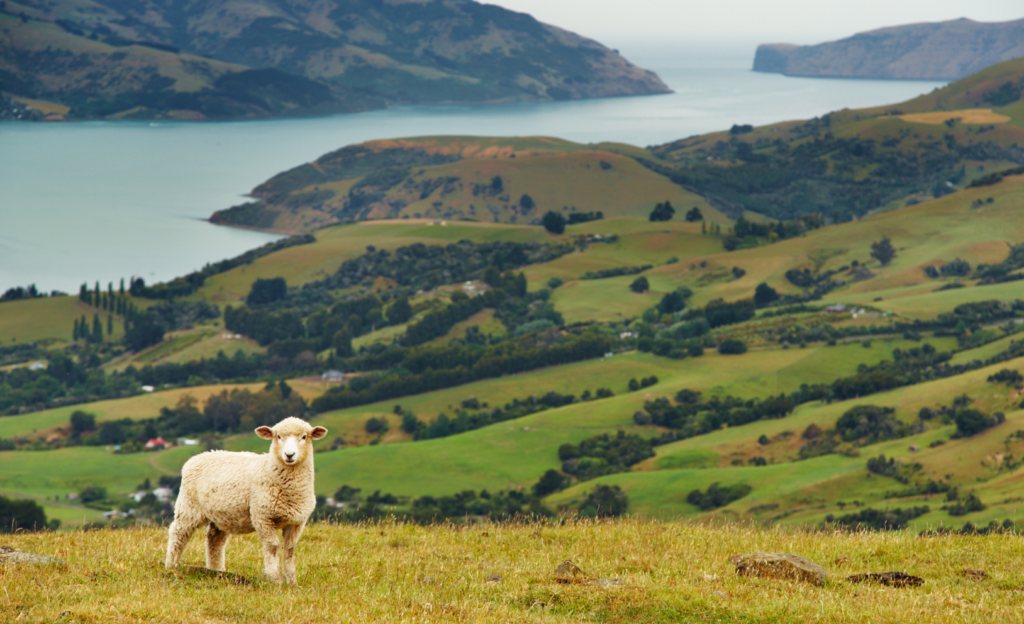
New Zealand’s landscapes are made for road trips, and travelling by car is often the easiest option, but there are plenty of other methods too.
Car hire: The best way to explore New Zealand is on four wheels. Roads are well-maintained but prepare for winding mountain routes.
Domestic flights: For longer distances, flying is quick and efficient. Air New Zealand connects the major hubs – Auckland, Wellington, Christchurch and Queenstown – with more than 20 domestic destinations. Booking in advance usually means better fares.
Trains: Passenger trains are limited but scenic. The TranzAlpine between Christchurch and Greymouth, the Northern Explorer from Auckland to Wellington and the Coastal Pacific between Picton and Christchurch offer some unforgettable journeys.
Private transfers: For a more comfortable, door-to-door option, private drivers can be arranged – a good choice if you’d like to sit back and enjoy the views without driving yourself.
Laws and customs
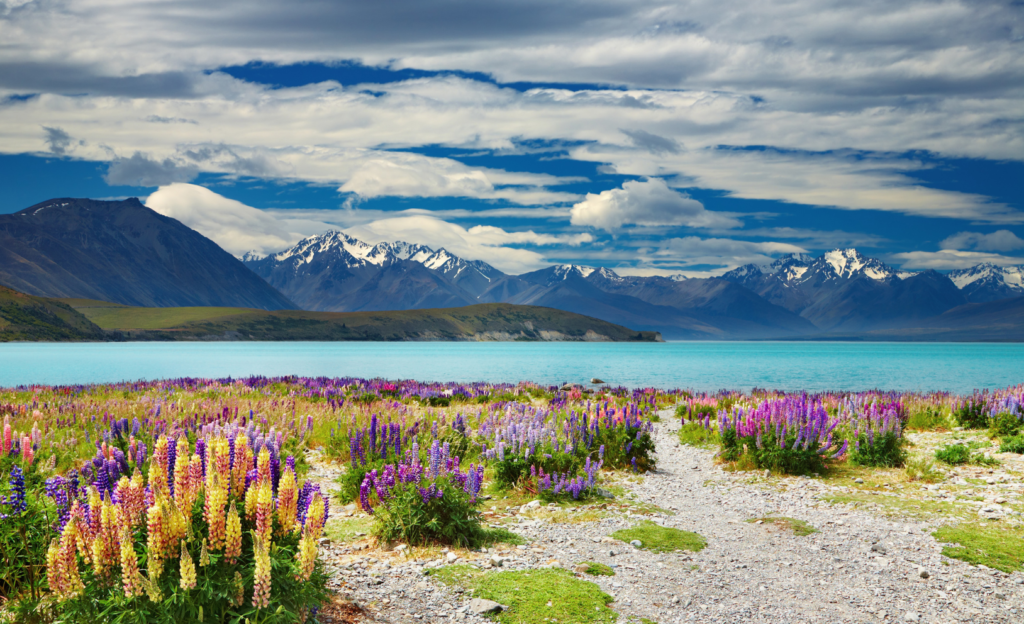
Kiwis are pretty well known for their warm, laid-back nature, but a few guiding principles are good to know ahead of your visit. Respect for Māori culture is an important part of life here – learn a few basic greetings such as kia ora (hello) and be mindful when visiting marae (meeting grounds) or sacred natural sites. New Zealanders also take pride in their natural environment, so follow the Leave No Trace principles, stick to marked trails and respect any wildlife protected areas.
Baggage and packing tips
Packing for New Zealand requires some consideration as the country’s climate and activities can vary widely. It’s important to note that the sun is very strong in that part of the world, so sun cream is an absolute must.
We strongly recommend that you carry overnight essentials and any medication in your hand luggage, particularly if connecting to an onward destination, in the event of lost luggage or delays.
North Island (Auckland, Bay of Islands, Rotorua)
Climate: Mild winters, warm summers with higher humidity.
Pack: Lightweight layers, breathable waterproof jacket, comfortable walking shoes, swimwear for beaches and hot springs, sunglasses, wide-brimmed hat.
South Island (Queenstown, Fiordland, Christchurch)
Climate: Cooler overall with snowy winters and crisp evenings even in summer.
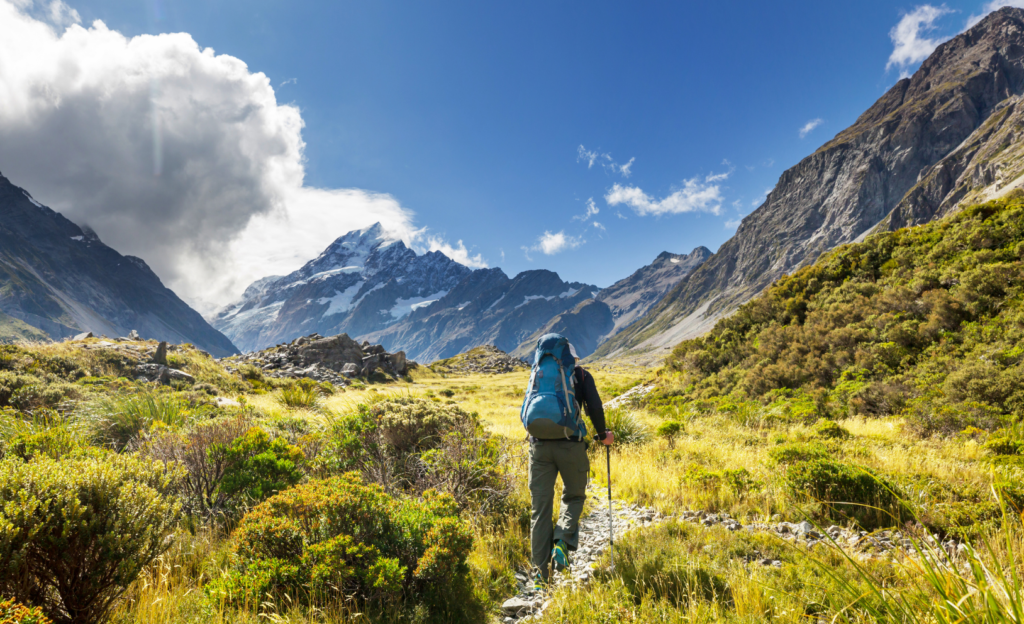
Pack: Warm layers including sweaters and a jacket, sturdy waterproof hiking boots, gloves and a beanie for chilly nights, active wear for outdoor adventures.
Alpine & Ski Regions (Southern Alps, Mt Hutt, Wanaka)
Climate: Cold in winter with snow and icy conditions, cool evenings in summer.
Pack: Thermal layers, insulated waterproof jacket, snow gear if skiing, gloves, beanie, sturdy boots.
Coastal & Beach Areas (Coromandel, Abel Tasman, Bay of Plenty)
Climate: Warm summers, mild winters, but rain showers can pop up any time.
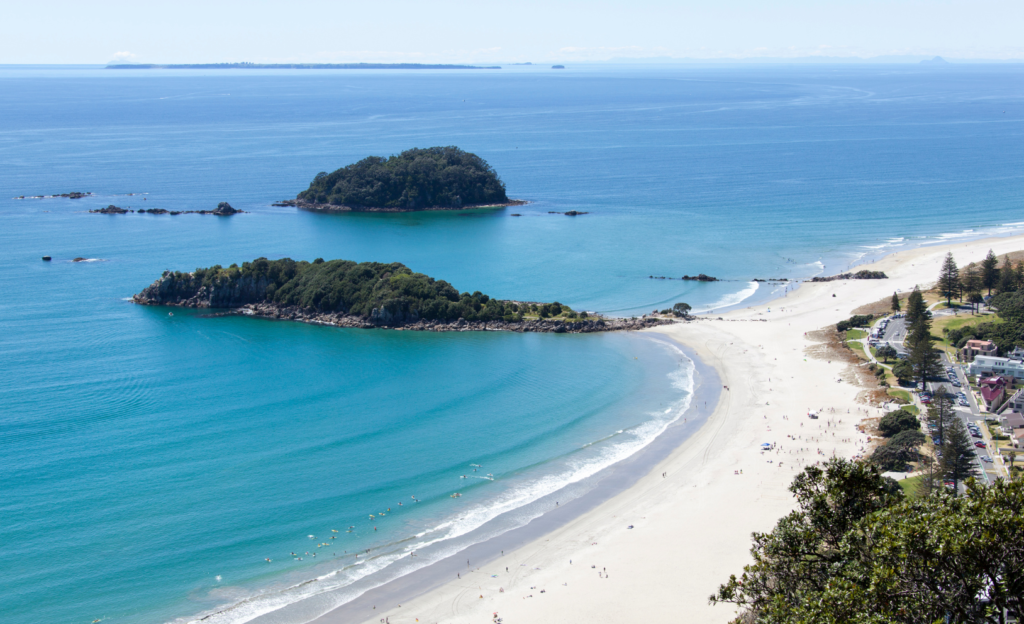
Pack: Swimwear for beaches and hot springs, light layers, quick-dry towel, sunglasses, wide-brimmed hat, sandals, lightweight waterproof jacket.
Money matters
New Zealand’s official currency is the New Zealand Dollar (NZD). Credit cards are widely accepted, but it’s worth carrying some cash for small purchases or when visiting rural areas and local markets.
Tipping
Tipping isn’t a big part of New Zealand’s culture. Service staff are well paid and don’t rely on gratuities. That said, tips are always a kind gesture and warmly appreciated. If you choose to leave one, it’s best to do so in New Zealand Dollars (NZD).
Here’s a simple guide to help you:
Tours and transfers
Half-day guide: NZD $20–50 per person
Full-day guide: NZD $50–100 per person
Driver (airport transfer): NZD $2–5 per person
Taxi drivers: rounding up to the nearest dollar is sufficient
Restaurants
Tipping is not customary. If you’d like to leave something extra, 10 per cent is considered generous and usually only done in fine-dining restaurants.
Practicalities
Plug type: New Zealand uses plug type I (three flat pins in a triangular pattern) so bring an adapter if your devices use a different plug type.
Flights and time zones: There are currently no direct flights between the United Kingdom and New Zealand. Most journeys involve at least one stopover, often in hubs like Singapore, Dubai or Los Angeles, with a total travel time of around 23 hours and 30 minutes. Major entry points into New Zealand include Auckland, Wellington and Christchurch. New Zealand operates on a single time zone (GMT +12), and during daylight saving time (late September to early April), clocks move forward one hour to NZDT (GMT +13).
Language: The official languages of New Zealand are English and Te Reo Māori. English is spoken everywhere, but you’ll often hear Māori words woven into daily conversation, especially in greetings and place names. Here are a few useful Māori words and phrases you might hear, but a simple ‘Kia Ora’ goes a long way:
Hello – Kia ora
Goodbye – Haere rā
Thank you – Ngā mihi or Kia ora (also used as thanks)
Food – Kai
Food and drink
Expect plenty of fresh seafood, world-class lamb and a strong farm-to-table culture wherever you go. Seafood fans will find everything from bluff oysters to crayfish and pāua (abalone) on menus, while wine lovers shouldn’t miss a glass of Marlborough Sauvignon Blanc or Central Otago Pinot Noir alongside their meal. Dining here is rarely fussy – more about celebrating great local ingredients in relaxed settings.
Hangi: A traditional Māori dish of meat and vegetables slow-cooked in an earth oven, giving it a smoky, tender flavour.
Green-lipped Mussels: A local favourite, these large, sweet mussels are often steamed or served in creamy garlic sauces.
Kiwi Meat Pies: A point of pride for New Zealanders – savoury pies filled with minced meat, gravy and sometimes cheese – a classic on-the-go snack.
L&P: A fizzy lemon drink unique to New Zealand, often enjoyed chilled on a sunny day.
Keep connected
Most travellers use a New Zealand SIM or e-SIM. These are easy to pick up on arrival at Auckland, Wellington or Christchurch airports, and our partners can help with the process. The most reliable local providers are Spark, One NZ (formerly Vodafone) and 2degrees. Alternatively, we recommend using Airalo to purchase an e-SIM in advance so you can connect as soon as you land.