




Why we love Mexico
Mexico is a cultural colossus – layered, luminous and full of life. Ruins of ancient civilisations rise from jungle, volcanoes loom over high plains and coastlines swing from Caribbean calm to Pacific surf. Markets spill into the streets, mariachis fill the air and the scent of lime and smoke drifts long into the night. It’s a country that pulls you in through every sense. This guide includes all the essentials you need to know before you travel.

Entry Requirements
Tourists do not need a visa to enter Mexico, but you’ll need to complete an immigration form (Forma Migratoria Múltiple or FMM) and keep it with you for both entry and exit. Forms are available on flights to Mexico, at border crossings, or online in advance via the official website. Immigration officials may ask to see proof of onward travel, accommodation details and sufficient funds for your stay. Be sure your passport is stamped on arrival to avoid fines when departing.
Your passport must be valid for at least six months beyond the last day of your trip. We also recommend carrying another form of photo ID, two photocopies of your passport, and extra passport photos in case of loss.
The departure tax is usually included in your flight ticket, so there’s no need to pay anything at the airport when leaving Mexico.
Please check your local government’s travel guidance if entering or returning to a different country, and contact our concierge team with any questions.
Health
We are not certified to give medical advice, but we recommend you consult your doctor about your vaccination history and discuss any further vaccinations you may need for your trip. We recommend this website for travel vaccination information and advice on bringing medication into the country.
Getting around
Given Mexico’s size, domestic flights are the easiest way to travel between regions. Major cities and beach destinations are well connected, and tickets are affordable when booked in advance.
We are able to arrange your transfers for you, just let us know your flight number, and we’ll plan the route and let you know the cost. For multi-stop trips, we can also arrange your transfers between hotels/regions.
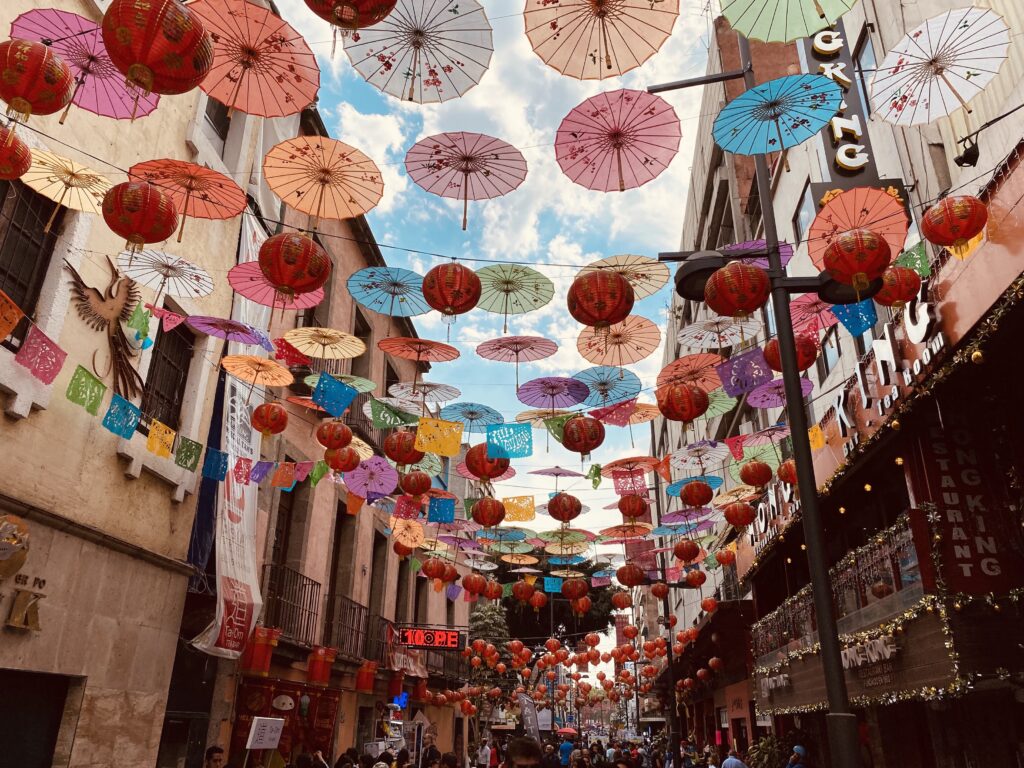
Metro and Local Transport: Mexico City’s metro system is fast and inexpensive, ideal for navigating the capital. Buses run throughout the country, with reliable long-distance coaches connecting major towns.
Taxis and Rideshares: Uber operates in most large cities including Mexico City, Cancún and Guadalajara, offering a safe and convenient way to get around. For local taxis, always ask your hotel to book one for you.
Laws and customs
Take a look at Mexico’s laws and customs here. Mexico is generally very welcoming, but as with any international trip, it’s worth being mindful of local laws, customs and safety practices to ensure a smooth and enjoyable journey.
– The Mexican police have the authority to ask for proof of legal status at any time. If you are remaining within one state, carry photocopies of your passport and stamped immigration form (Forma Migratoria Múltiple or FMM).
– When travelling between states or near international borders, keep the originals with you, as copies are not accepted.
– Dress modestly in small towns and religious sites — shoulders and knees should be covered when visiting churches or sacred spaces.
– Avoid photographing government buildings, military sites or personnel.
– Christmas and Easter are widely observed, and many smaller towns close for the afternoon or for several days. In larger cities and tourist areas, most shops, restaurants and attractions remain open, but it’s always best to check locally.
– Avoid displaying valuables such as jewellery, large sums of cash or electronics in public.
– Arrange taxis through your hotel or use trusted ride apps like Uber or Cabify, as unlicensed taxis can be unsafe.
– Use bottled water for drinking and brushing teeth and avoid ice from street vendors.

Baggage
Luggage allowances vary by domestic airline. Some allow up to 25kg in total, while others limit checked bags to 15kg. Heavier or oversized luggage may incur fees and is always subject to space on the aircraft.
Climate and packing
We strongly recommend that you carry overnight essentials and any medication in your hand luggage, particularly if connecting to an onward destination, in the event of lost luggage or delays.
Mexico’s vast geography means the weather varies greatly from region to region. Here’s what to expect:
Caribbean Coast (Cancún, Tulum, Riviera Maya)
Climate: Hot and tropical year-round, with dry season from November to April.
Pack: Light, breathable clothing, swimwear, sunscreen, and a sun hat. A light jacket is useful for cooler evenings.
Central Highlands (Mexico City, Oaxaca, Puebla)
Climate: Warm days, cooler nights and a wet season from June to September.
Pack: Layers, comfortable shoes, and a light rain jacket. Evenings can get chilly due to altitude.
Pacific Coast (Puerto Vallarta, Los Cabos)
Climate: Hot and dry for most of the year, with some rain from June to October.
Pack: Lightweight clothes, swimwear, sunglasses and sandals.
Northern Mexico (Monterrey, Chihuahua)
Climate: Hot summers and cooler winters, often dry and desert-like.
Pack: Breathable clothing, a warm layer for nights and sturdy footwear for exploring.
Southern Mexico (Chiapas, Yucatán)
Climate: Warm, humid and lush with rainforests.
Pack: Light long sleeves and trousers for insect protection, waterproof shoes and insect repellent.
Money matters
The local currency is the Mexican Peso ($). Credit and debit cards are widely accepted in cities and tourist areas, though smaller towns and local markets prefer cash. ATMs are common, but fees vary – check with your bank about international charges.
We recommend carrying a small amount of pesos upon arrival or withdrawing cash at the airport. US dollars are accepted in some tourist hubs, though exchange rates are often less favourable.
Tipping
Tipping is a valued custom in Mexico and an appreciated gesture of gratitude. The below serves as a simple guideline to help you plan. Amounts are listed in USD, which is widely accepted and works well as a benchmark, though local currency may sometimes be preferred.
Restaurants: 10–15% of the bill (check first, as some add it automatically).
Hotels: $3–6 per person per night for housekeeping, and $1–3 per bag for porters.
Guides: $10–20 per person per day for private tours, or $8–10 for half-day excursions.
Drivers: $5–10 per transfer depending on distance.
Practicalities
Plugs: Mexico uses plug types A and B. Type A has two flat parallel pins, while Type B has two flat pins and a grounding pin.
Flights and time zone: Direct flights from London to Mexico City take around 11 hours. Time zones vary across the country; Tulum is GMT –5, Mexico City is GMT –6.
Language: Spanish is the official language and spoken everywhere, though each region has its own accent and rhythm. English is widely spoken in hotels and tourist areas, but learning a few Spanish phrases is always appreciated.
Here are a few handy phrases to get you started:
Hello – Hola
Goodbye – Adiós
Please – Por favor
Thank you – Gracias
How much is this? – ¿Cuánto cuesta?
Cheers! – ¡Salud!
Have a good day – Que tengas un buen día

Food and drink
Mexican cuisine is a vibrant mix of flavour, colour and culture that blends indigenous ingredients with Spanish, Caribbean and even Asian influences. Regional specialities and local flavours add to the ever-expanding array of culinary creations found throughout the country, with exotic salsas and speciality sauces adding delicious spice to a variety of dishes. Here are some iconic foods and drinks to try on your trip:
Tacos al Pastor – Marinated pork cooked on a vertical spit, served with pineapple, onion and coriander.
Mole – A rich sauce made from chillies, chocolate and spices, most famous in Oaxaca.
Tamales – Corn dough parcels filled with meat or vegetables, wrapped in banana leaves and steamed.
Ceviche – Fresh fish marinated in lime with tomato, onion and chilli.
Chilaquiles – Fried tortilla chips topped with salsa, eggs and cheese – a breakfast classic.
Pozole – A traditional hominy soup flavoured with chillies and garnished with lime, radish and lettuce.
To drink, try Mezcal and Tequila (each with distinct regional roots), Micheladas (beer mixed with lime and chili), and Aguas Frescas – refreshing fruit drinks made with hibiscus, tamarind or mango. Mexico’s coffee and chocolate are exceptional too, especially those grown in Chiapas and Veracruz.
Keep connected
Local SIM cards are easy to buy at the airport or in major cities, with reliable providers like Telcel, Movistar and AT&T Mexico. Alternatively, consider an eSIM such as Airalo to stay connected from the moment you land.