

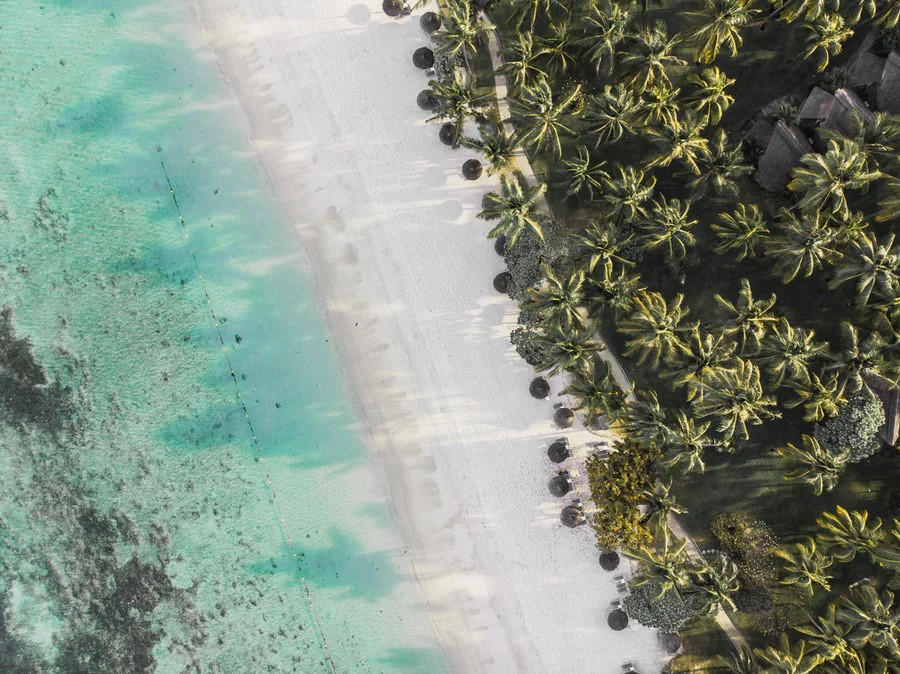


Why we love Mauritius
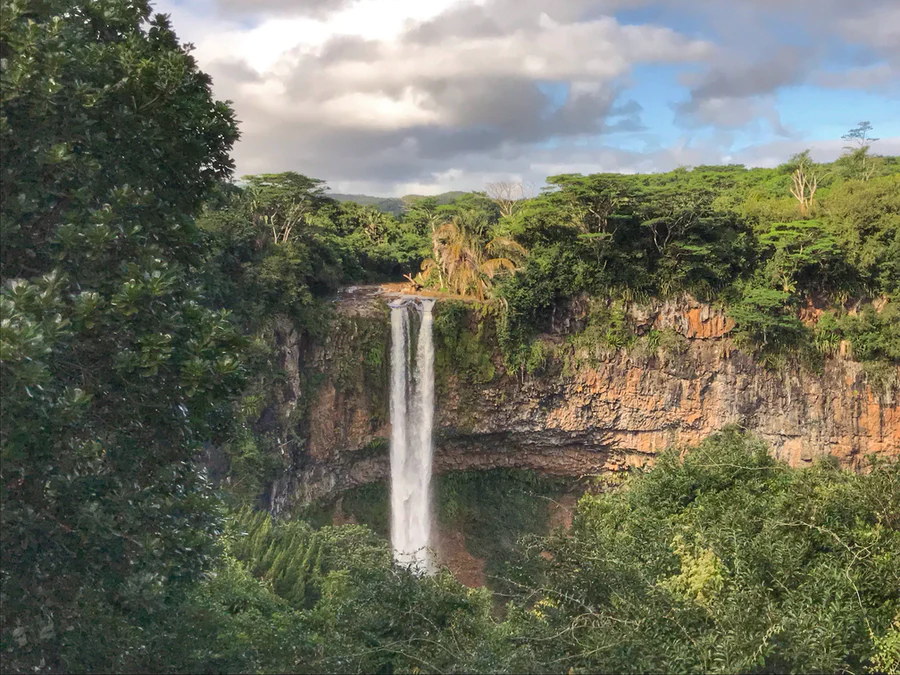
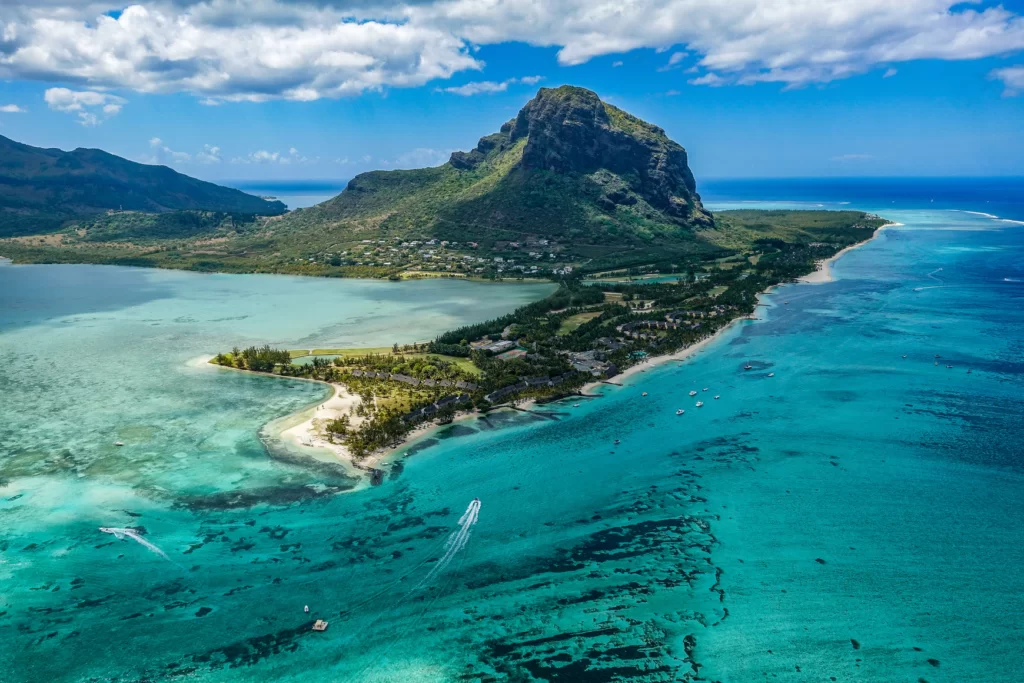
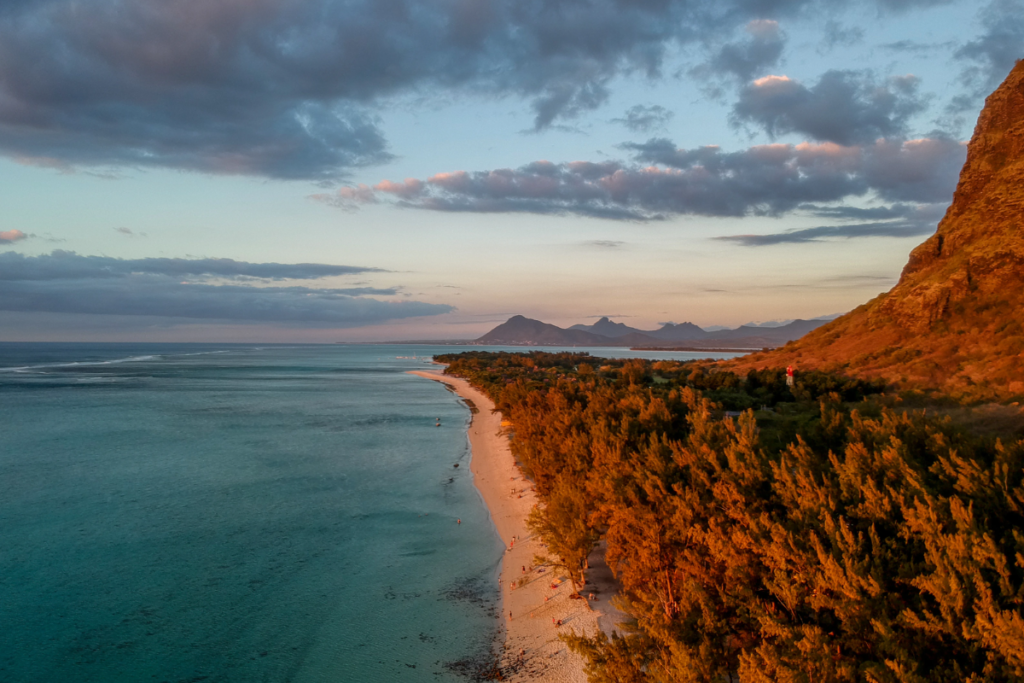
Mauritius moves to its own quiet tempo. Mornings start with fishing boats on the water and light spilling over green hills; afternoons carry the scent of spice stalls and sea breeze. Beyond the beaches, there are lagoons to sail, waterfalls to find and jungle paths to explore. It’s an island that balances ease with energy. This guide shares everything you need to know before you go.
Entry requirements
British and American passport holders do not require a visa to enter Mauritius. You’ll be stamped on arrival and permitted to stay for up to 60 days. Your passport should be valid for the full duration of your trip and have at least one blank page. Immigration officers may ask to see proof of onward or return travel.
Before or during your flight, you’ll need to complete Mauritius’ All-in-One Travel Form. You can fill it out online here, print and sign the PDF, and hand it to immigration and health officials upon arrival at the airport.
Please check your local government’s travel advice if you are travelling from a different country, and get in touch with our operations team if you have any questions.
Health and medical
We are not certified to give medical advice, but we recommend you consult your doctor about your vaccination history and discuss any further vaccinations you may need for your trip. We recommend this website for travel vaccination information and advice on bringing medication into the country.
Getting around
We can arrange all transfers for you – simply share your flight details and we’ll plan the route and confirm the cost. For multi-stop trips, we can also organise transfers between hotels and regions.
If you prefer to hire a car, driving is on the left-hand side of the road, and roads are generally in good condition. Taxis and private drivers are also easily arranged through your hotel.
Packing and climate
We strongly recommend that you carry overnight essentials and any medication in your hand luggage, particularly if connecting to an onward destination, in the event of lost luggage or delays.
Summer (November – April)
Climate: Hot and humid, with tropical showers. Ideal for diving and water sports, with warm sea temperatures.
Pack: Lightweight, breathable clothing, swimwear, sunscreen, a hat, and a light rain jacket.
Winter (May – October)
Climate: Cooler and drier, perfect for hiking and exploring inland.
Pack: Layers for evenings, comfortable walking shoes, and light cotton clothing for the day.
Whatever time of year you visit, pack reef-safe sunscreen, sunglasses, and insect repellent to stay comfortable under the island sun.
Laws and customs
Mauritians are known for being welcoming and respectful – returning that courtesy goes a long way. Modest dress is appreciated when visiting temples or public areas away from the beach; shoulders and knees should be covered.
You may be asked to show proof of identification at any time, so carry a photocopy of your passport and keep the original secure in your accommodation. Possession of drugs is a serious offence and carries severe penalties.
Take a look at Mauritius’ laws & customs here.
Tipping
Tipping is discretionary in Mauritius but always appreciated. As a guideline:
Restaurants: 10–15% if a service charge isn’t already included.
Housekeeping and porters: A few pounds per day or per bag.
Drivers and guides: $10–20 per day depending on service.
Many hotels include a service charge, so check your bill before tipping additionally.
Money matters
The currency is the Mauritian Rupee (MUR). ATMs are widely available in towns and at the airport, and major credit and debit cards are accepted in most hotels and restaurants. Smaller local shops or market stalls may prefer cash, so it’s useful to carry a small amount on you.
Practicalities
Plug type: Mauritius uses two types of plugs – C (two round pins) and G (three rectangular pins, same as the UK).
Flights and time zone: Direct flights from London to Mauritius take around 11–12 hours. The island is GMT +4.
Language: English is the official language, though you’ll also hear French and Mauritian Creole spoken widely.
Useful phrases:
Hello – Bonjour / Allo
Thank you – Merci
Goodbye – Au revoir
Please – S’il vous plaît
Have a good day – Bonne journée
Food and drink
Mauritian cuisine is a vibrant blend of Indian, Creole, Chinese, and French influences, a reflection of its diverse heritage and island lifestyle. The result? Dishes packed with spice, colour, and creativity – where every meal feels like a celebration of flavour.
Dholl puri: Soft, lentil-filled flatbreads served with bean curry, pickles, and chutneys – the island’s go-to street food.
Seafood curry: Freshly caught fish or octopus cooked in fragrant coconut milk with spices like turmeric and cumin.
Rougaille: A Creole tomato-based stew often made with prawns, sausage, or tofu, full of tangy island flavours.
Gateaux piment: Crispy chilli fritters made from yellow split peas, best eaten warm from a roadside stall.
Mine frit: Chinese-style fried noodles with vegetables and a touch of soy – a comforting local favourite.
Desserts: Don’t miss banana flambé with Mauritian rum, or homemade coconut ice cream after a beach day.
To drink: Sip on freshly pressed sugarcane juice, sample the locally brewed Phoenix beer, or try the island’s famous Mauritian rum – often infused with vanilla or spices. For a tropical pick-me-up, go for a chilled glass of mango or passion fruit juice.
Keep connected
If you’d like to stay connected throughout your trip, we recommend buying a local SIM card on arrival at the airport – the main providers are Emtel and My.T. Alternatively, you can purchase an eSIM in advance through a trusted provider such as Airalo, so you’re connected as soon as you land.