

Why We Love Japan…
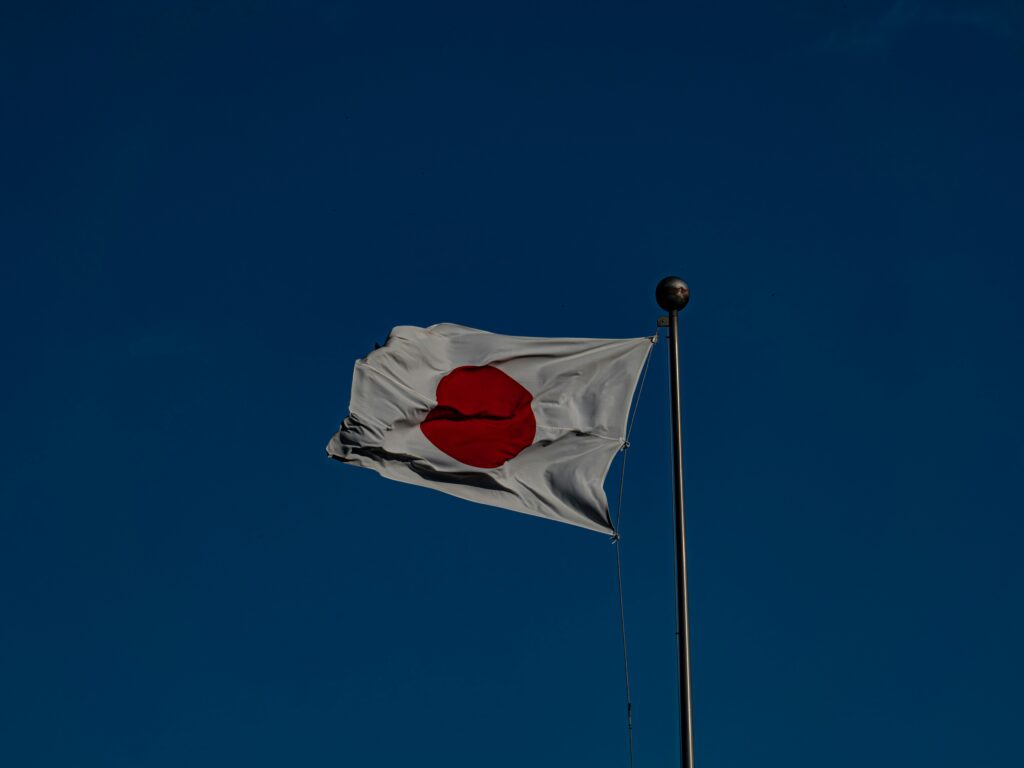
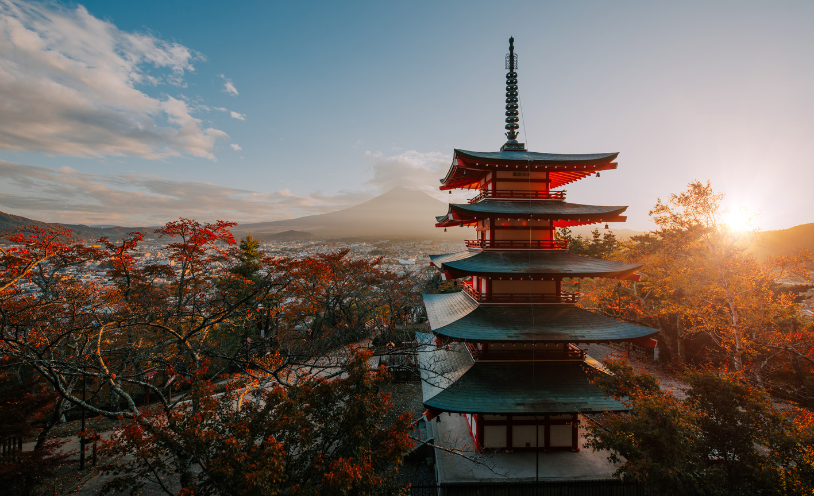
With one of the world’s oldest civilisations and home to history as beautiful and diverse as its landscapes, this is a breathtaking corner of the world; where ancient architecture sits alongside the neon-lit modern and days are spent discovering the deliciously eclectic culinary scene or hiking in the foothills of Mt Fuji.
Entry Requirements
UK citizens do not need a visa in advance to enter Japan. You can get a visa on arrival in Japan for tourism or business, which is valid for up to 90 days. If you need a multiple-entry visa, you must ask the immigration officials upon arrival.
Your passport should be valid for the length of your stay in Japan, and you need a blank page for your visa stamp.
Prior to arrival, it’s worth registering online via the official Visit Japan website (there’s also an app available), which generates a QR code and helps make the arrival process smoother. The alternative is to complete paper forms at the airport, which is still perfectly fine but may take a bit longer.
Health and safety
We are not certified to give medical advice, but we recommend you consult your doctor about your vaccination history and discuss any further vaccinations you may need for your trip. We recommend this website for travel vaccination information and advice on bringing medication into the country.
Healthcare is excellent, but treatment can be expensive for visitors, so travel insurance is highly recommended. Tap water is safe to drink, and food hygiene standards are very high.
Japan is considered to be one of the safest countries in the world, with very low crime rates and a strong culture of respect and order.
In terms of natural risks, Japan does experience earthquakes, but buildings and infrastructure are designed with this in mind.
Getting Around
Japan has one of the most efficient and reliable transport systems in the world. The train network is extensive, clean, and punctual, with high-speed bullet trains (Shinkansen) connecting major cities. Local trains and subways are easy to use, even for first-time visitors.
For your trip with nemo, all train tickets will be purchased in advance for you with seat reservations on preferred trains and times, so your travel will be very slick.
IC cards (a rechargeable, prepaid smart card used primarily for seamless, tap-and-go payment on public transportation, some examples are Suica, Pasmo, ICOCA) make life easier and work across most regions, for which you can download the App on your phone for quick access.
Climate and packing
Japan has four distinct seasons, each offering a different travel experience.
Spring (March to May) and autumn (September to November) are the most popular times to visit due to mild weather and beautiful scenery. Summers can be hot and humid, while winters are cold, particularly in northern regions, with excellent conditions for skiing.
What you pack will depend on the season, but comfortable walking shoes are essential year-round. Light clothing works well in summer, while layers are ideal for spring and autumn. In winter, you’ll need warm clothing, especially if travelling outside major cities.
Send Your Bags Ahead: Hotel-to-hotel luggage forwarding in Japan: Forward your suitcase hotel-to-hotel for about ¥1,500–2,500 (~£10). Drop it off by 11am at your hotel reception, and it arrives at your next hotel the following day – no hauling luggage around.
Most hotels handle this via Yamato (black cat logo), Sagawa, or Japan Post. Fill out a waybill with your details, destination hotel, arrival date, and phone number, then leave your bag at reception and travel hands-free.
Tips:
– Pack a small overnight bag (essentials, valuables, medication).
– Note your reservation number on the form and alert your next hotel.
– You can also send bags from convenience stores or to/from airports.
Currency and tipping
Japan uses the Japanese Yen (¥).
Cash is still widely used, particularly in smaller establishments and in more rural/remote areas, although credit and debit cards are becoming more accepted in cities. To withdraw cash, you can do this at any 7/11 shop, rather than an ATM as in other countries.
Tipping is not customary in Japan. The country has a strong culture of excellent service as standard, so there is no need to tip in restaurants, taxis, hotels, or bars. Staff may politely refuse tips if offered.
The only scenario where tipping is appreciated and more common is for private guides, where a small gesture of ¥1,000–¥3,000 (£5–£15) might be more customary.
Cash is also very useful when visiting temples and shrines, both for entry fees and for small on-site purchases such as offerings, goshuin (stamp seals), and charms.
Laws and Customs
Japan has strict laws and a strong cultural emphasis on respect and order.
From a cultural perspective, it’s important to be mindful of local etiquette. This includes removing shoes where required, keeping noise levels low on public transport, and not tipping, as it is not customary.
Trash bins are scarce in public spaces, so expect to carry your rubbish until you find one. Eating while walking is generally discouraged, especially in busy areas. Finally, clear rules and polite behaviour are expected – quiet phones on trains, orderly queues, and precise instructions.
Practicalities
Japan is a very well-organised and traveller-friendly destination, but a few practical details are worth knowing before you go.
Plug type: Japan uses Type A and B plug sockets with a 100V supply. UK and European travellers will need an adapter.
Time zone: Japan operates on Japan Standard Time (GMT +9) and does not observe daylight saving time.
Language: Japanese is the official language. English is not widely spoken outside major cities, but signage in transport systems is usually in English. See below some useful phrases!
Hello: Konnichiwa (こんにちは)
Thank you: Arigatou gozaimasu (ありがとうございます)
Excuse me / Sorry: Sumimasen (すみません)
Yes / No: Hai (はい) / Iie (いいえ)
Please: Onegaishimasu (お願いします)
Do you speak English?: Eigo o hanasemasu ka? (英語を話せますか?)
How much is this?: Ikura desu ka? (いくらですか?)
Food and drink
It’s important to note that any dietary requirements must be flagged to the nemo team well in advance of travel. Japan can be a challenging destination for certain dietary needs, particularly vegetarian, vegan, gluten-free, or specific allergies, as many dishes use ingredients like fish stock (dashi), soy sauce, or hidden animal products. While restaurants are increasingly accommodating, options can still be limited and last-minute requests are often difficult to manage. Sharing requirements early allows the team to plan suitable restaurant bookings and make any necessary arrangements in advance.
Japanese cuisine is a highlight of any visit. Food standards are extremely high, and meals are often both fresh and beautifully presented. Here are some iconic foods and drinks to try on your trip:
Sushi: Japan’s most famous dish – vinegared rice paired with fresh seafood, often served simply to highlight quality ingredients.
Ramen: A comforting bowl of noodles in rich broth, topped with meats, egg, and vegetables, with regional variations across the country.
Tempura: Lightly battered and deep-fried seafood or vegetables, known for its delicate, crispy texture.
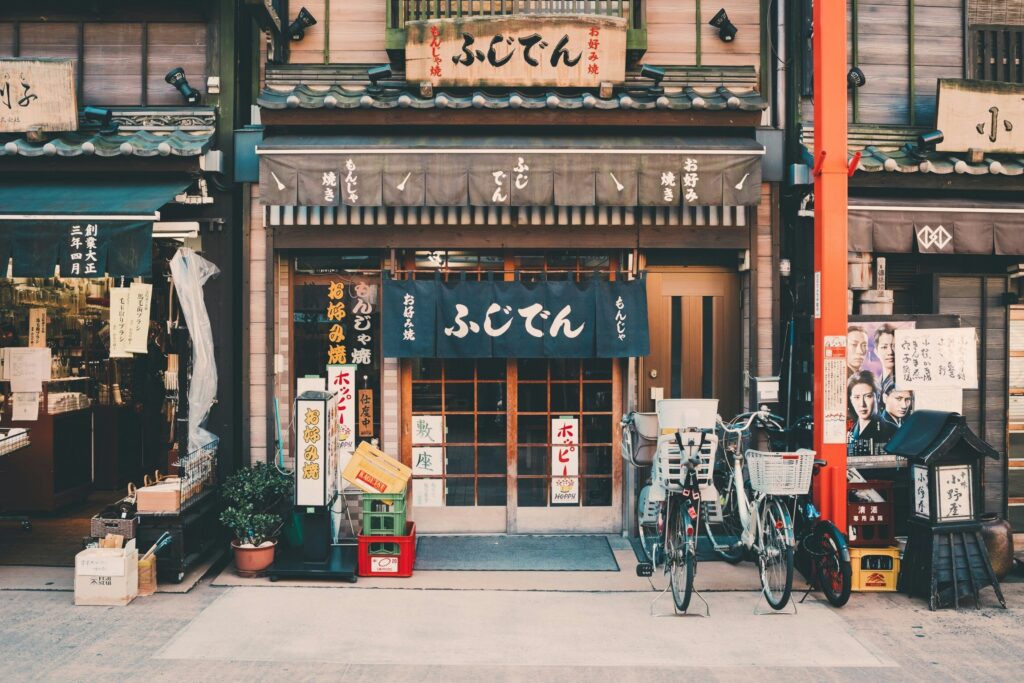
Okonomiyaki: A savoury pancake made with cabbage, meat or seafood, and topped with sauce and mayonnaise.
Takoyaki: Popular street food – bite-sized balls filled with octopus, drizzled with sauce and bonito flakes.
Sake: Traditional Japanese rice wine, served either chilled or warm, depending on the variety.
Keep connected
Free Wi-Fi is available in many hotels, cafés, and major train stations, but coverage can be inconsistent when you’re on the move. For a more reliable connection, we will provide you with a WiFi dongle, included in your booking with nemo. This will be delivered to your first hotel, ready for you to collect!
Portable Wi-Fi is a popular option as it allows multiple devices to connect at once, making it ideal for couples or groups. SIM cards and eSIMs are also convenient, and can be arranged before you arrive or at the airport.
Having internet access will make navigating transport, translating Japanese, and finding places to eat much easier during your trip.