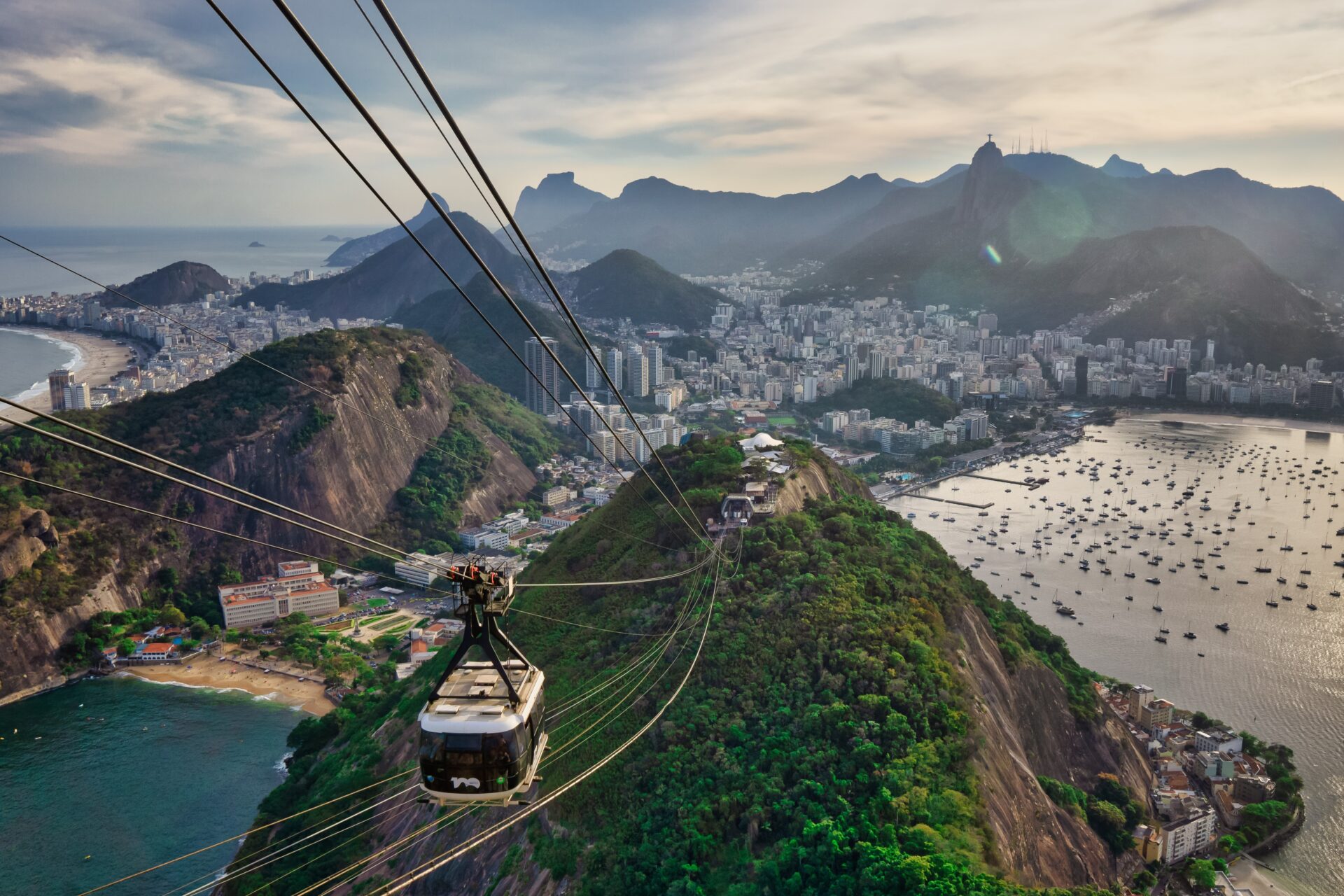


Why we love Brazil
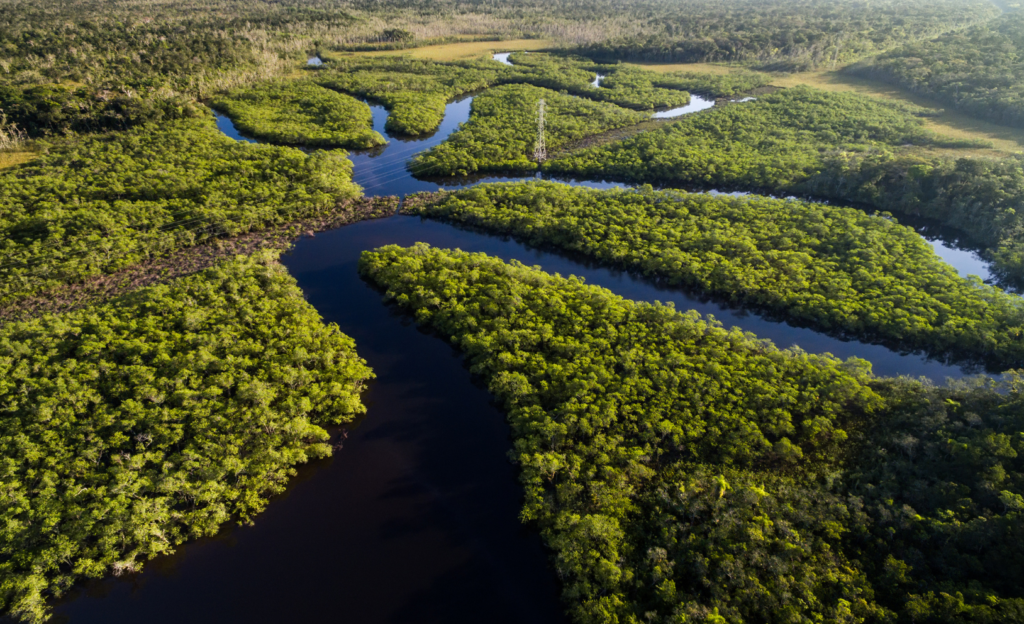
A country that moves to its own rhythm. From Rio’s samba beats to the soft hush of Bahian waves, Brazil celebrates life in all its technicolour glory. Drift through the Amazon’s tangle of green, lose track of time on Ipanema’s golden sands, or chase flavours through São Paulo’s neon-lit streets. This guide shares the essentials you need to know before you travel
Entry Requirements
You can travel to Brazil without a visa as a tourist for up to 90 days. If you wish to extend your stay, contact the Polícia Federal (Federal Police).
On arrival, you’ll need to demonstrate that you have enough funds for your visit, confirm your accommodation details, and show evidence of return or onward travel. Make sure your passport is stamped when entering the country, as you may be fined on departure if it isn’t.
Your passport should be valid for at least six months from your date of entry.
Please check your local travel advice if you’re entering from a different country, and get in touch with our operations team with any questions.
Health and safety
We are not certified to give medical advice, but we recommend you consult your doctor about your vaccination history and discuss any further vaccinations you may need for your trip. We recommend this website for travel vaccination information and advice on bringing medication into the country.
If you’re visiting the Amazon or Pantanal regions, you may be advised to take precautions against mosquito-borne illnesses, so insect repellent and long sleeves are essential.
Getting around
Brazil is vast – the fifth-largest country in the world – so distances between destinations can be significant, but getting around is all part of the adventure.
Domestic Flights: The quickest and most convenient way to cover long distances. Brazil’s major cities are well connected by regular domestic flights, and fares are often reasonable if booked in advance.
Metro: In São Paulo and Rio de Janeiro, the metro is clean, safe, and efficient – a great way to beat the traffic during busy hours.
Taxis and Ride Apps: Uber is widely used in cities and usually cheaper than traditional taxis. Always check the app for estimated fares before setting off. Be aware that traffic in Rio and São Paulo can be unpredictable, so give yourself plenty of time when heading to the airport.
Boats and Ferries: Along the coast and throughout the Amazon region, boat travel offers a unique way to experience Brazil’s waterways. Ferries connect islands and coastal towns, while riverboats remain an essential part of life in the Amazon basin.
Driving: Car hire is possible in larger cities, though we’d only recommend it for experienced drivers due to local traffic and signage differences.
Climate and packing
We strongly recommend that you carry overnight essentials and any medication in your hand luggage, particularly if connecting to an onward destination, in the event of lost luggage or delays.
Coastal Brazil (Rio de Janeiro, Salvador, Recife)
Climate: Tropical and warm year-round, with plenty of sunshine and high humidity.
Pack: Light, breathable clothing, swimwear, sandals, sunscreen, and a sunhat. Casual attire is perfect for beach days and city strolls.
Amazon Rainforest (Manaus & Surrounds)
Climate: Hot, humid, and lush with regular rain showers.
Pack: Lightweight long sleeves and trousers for insect protection, sturdy walking shoes, rain gear, insect repellent, and a water-resistant backpack for electronics.
Pantanal Wetlands
Climate: Distinct wet (November–March) and dry (April–October) seasons, with hot temperatures year-round.
Pack: Neutral-coloured clothing for wildlife viewing, long sleeves for sun and insect protection, binoculars, and a wide-brimmed hat.
Southern Brazil (São Paulo, Curitiba, Florianópolis)
Climate: Temperate, with warm summers and cooler winters.
Pack: Layered clothing, a light jacket for evenings, and comfortable shoes for exploring cities or countryside.
Northeast Brazil (Fortaleza, Natal, Jericoacoara)
Climate: Hot and dry for much of the year, with a short rainy season between March and May.
Pack: Light cotton clothing, swimwear, sunglasses, and plenty of sunscreen. A reusable water bottle is essential for staying hydrated.
Highlands & Brasília
Climate: Mild temperatures with clear distinctions between wet and dry seasons.
Pack: Comfortable daywear and a light jacket for cooler evenings, plus sunscreen and sunglasses for daytime adventures.
Laws and customs
Brazilians are sociable and famously welcoming, but its important to be aware of any potential safety concerns.
– Greetings are often informal and warm – a handshake, or one or two cheek kisses depending on the region, are common ways to say hello.
– It’s best to dress modestly when visiting churches or religious sites, keeping shoulders and knees covered.
– When driving, keep your licence, insurance, and ID on you at all times – roadside checks can be frequent.
– Always carry a copy of your passport and entry stamp rather than the original.
– Keep valuables secure and out of sight, especially in crowded urban areas.
– Don’t display expensive jewellery, electronics, or large amounts of cash in public. Use hotel safes for passports, extra cash, and other valuables.
– Stay informed about local areas. Research the safety of the neighbourhoods you plan to visit. Some areas may have higher crime rates, and it’s essential to be aware of potential risks.
Tipping
Tipping is appreciated but not mandatory in Brazil. In many restaurants, a 10% service charge is already added to the bill – check before adding extra.
As a general guideline:
– Restaurants: 10–15% if not already included.
– Bars & cafés: small change or up to 10%.
– Hotel staff: a few dollars per day for housekeeping or porters.
– Guides or drivers: $10–20 per traveller per day, depending on the service.
Money matters
The currency is the Brazilian Real (R$). We suggest carrying a mix of cards and cash. Credit and debit cards are widely accepted in cities, and Apple Pay is available in most major establishments.
In smaller towns, markets, and beach kiosks, cash is preferred, so it’s a good idea to have some on hand. ATMs are easy to find in urban areas, and our local team can help you withdraw cash on arrival if needed.
Practicalities
Plug type: Brazil uses plug types C and N. Type C has two round pins, and type N has two round pins and a grounding pin.
Time zones and flights: Brazil spans four time zones. Most destinations you’ll visit – including Rio, São Paulo, and the Pantanal – operate on Brasília Time (GMT -3). Direct flights from London to Rio de Janeiro and São Paulo take around 11 hours.
Language: The official language is Portuguese. English is spoken in major tourist areas but less common elsewhere. A few phrases to get you started:
Hello – Olá
Thank you – Obrigado (male) / Obrigada (female)
Please – Por favor
Goodbye – Tchau
Have a good day – Tenha um bom dia
Food and drink
Brazilian cuisine is a vibrant mixture of its multicultural roots – a blend of African, Indigenous, Portuguese, and European influences. It’s bold, colourful, and made to be shared.
A few highlights to look out for:
Feijoada – a rich black bean stew with pork, considered Brazil’s national dish.
Churrasco – Brazil’s famous barbecue tradition, where endless cuts of grilled meat are served straight from the skewer.
Moqueca – a fragrant seafood stew made with coconut milk, peppers, and dendê oil.
Acarajé – a street food favourite from Bahia, deep-fried black-eyed pea balls filled with shrimp.
Brigadeiros – bite-sized chocolate truffles rolled in sprinkles.
Açaí bowls – a refreshing Amazonian treat made from frozen açaí berries, topped with fruit and granola.
Caipirinha – Brazil’s famous drink made with cachaça, lime, and sugar.
Keep connected
Wi-Fi is widely available in hotels, cafés, and restaurants throughout Brazil’s main cities and tourist hubs. You can purchase a local SIM card on arrival from providers like Vivo or Claro. Alternatively, eSIMs such as Airalo are a great option to set up before you go.